JeremiahsCPs · CC BY-SA 3.0
About
This unique species, *Nepenthes lowii*, is notable for its strongly constricted upper pitchers, which feature a greatly reduced peristome and a distinctive reflexed lid covered in numerous bristles. It is a large, climbing plant that can grow to impressive lengths.
Field notes
Morphology
The leaves are coriaceous, oblong-lanceolate, and up to 30 cm long by 9 cm wide, with a rounded apex and abruptly contracted base. The plant is a climbing species with stems that can exceed 10 m in length. The lower pitchers are bulbous and ventricose, reaching up to 10 cm high by 4 cm wide. The upper pitchers have a cylindrical peristome, up to 12 mm wide, which bears prominent teeth and ribs, and feature a reflexed lid with numerous bristles.
Distribution & habitat
Endemic to Borneo, found specifically on Mount Kinabalu, Bukit Batu Lawi, and Mount Murud. Specimens have been recorded at elevations between 2,300 and 2,400 m above sea level.
History & etymology
Discovered in March 1851 by Hugh Low on Mount Kinabalu. It was formally described in 1859 by Joseph Dalton Hooker. The epithet 'lowii' is named after Hugh Low, who discovered the plant.
Habitat
- Altitude
- 1,650–2,600 m
- Altitude Class
- highland
- Native To
- Malaysia
- IUCN Status
- Vulnerable
Taxonomy
- Described
- 1859
- Authority
- Hook.f.
Cultivation
- Difficulty
- difficult
- Temperature
- Day 15–22°C / Night 5–12°C
- Humidity
- 75–95%
Borneo Exotics 20 listings
View all →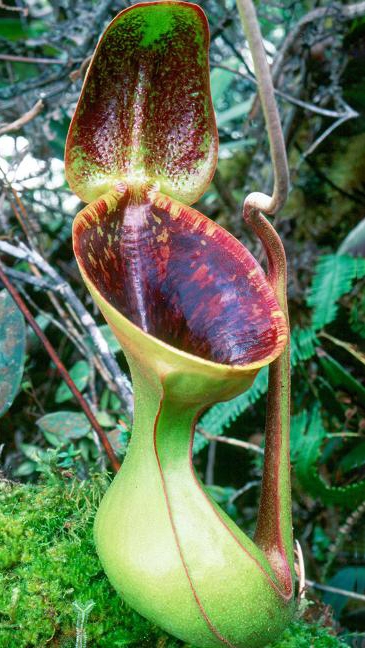
BE-3100
WIP N. lowii - Trus Madi - best selected clone
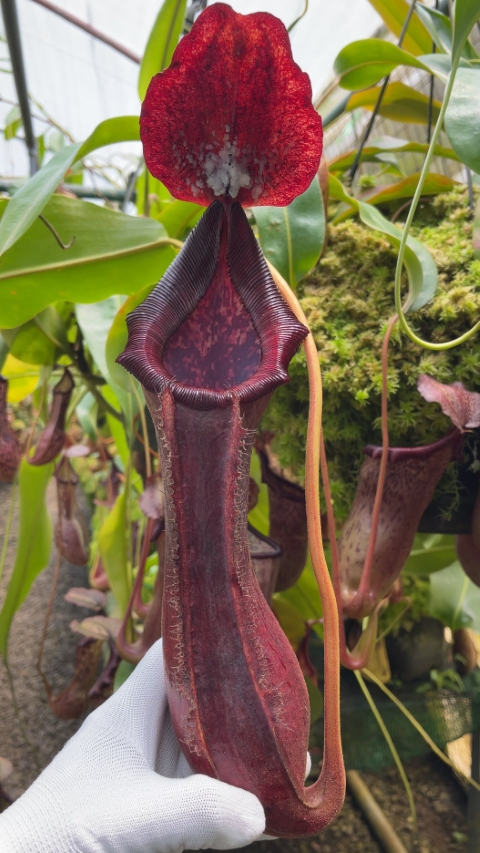
BE-4067
N. boschiana x lowii
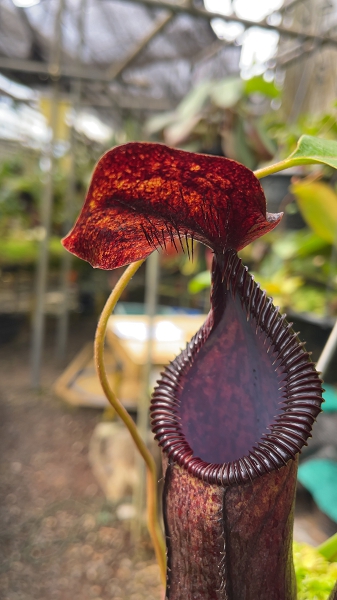
BE-4609
N. hamata x lowii - assorted clones
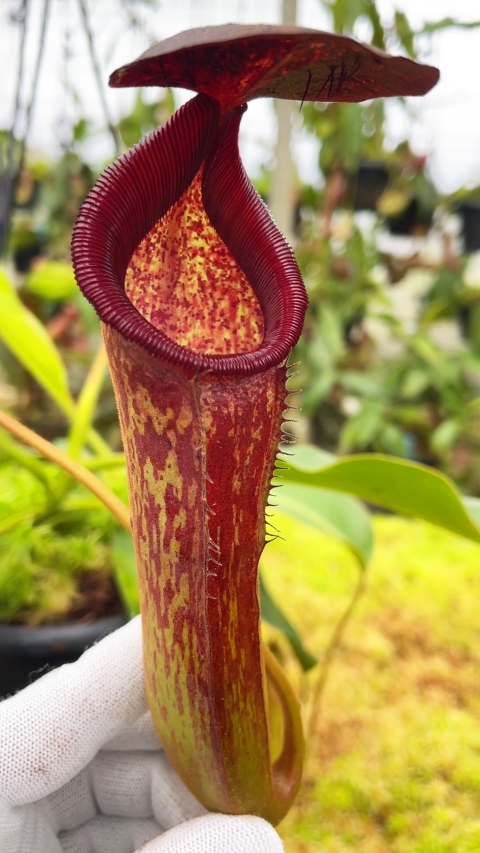
BE-4634
N. klossii x lowii
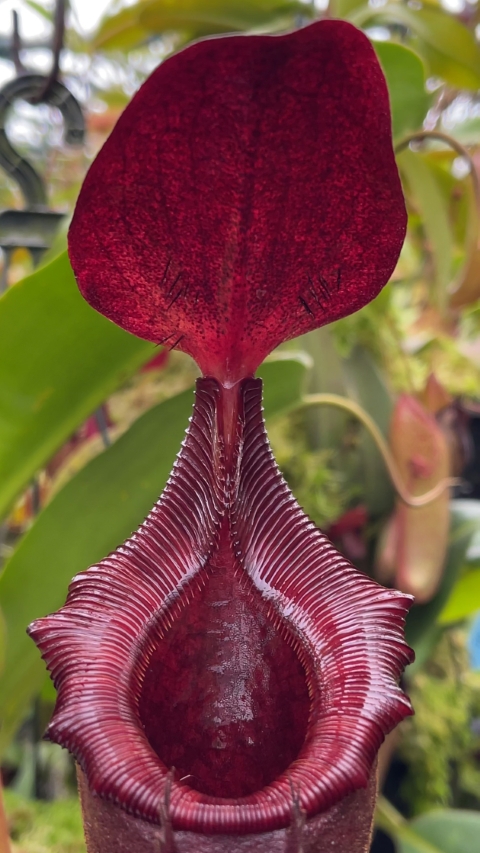
BE-4502
N. rajah x lowii - assorted clones
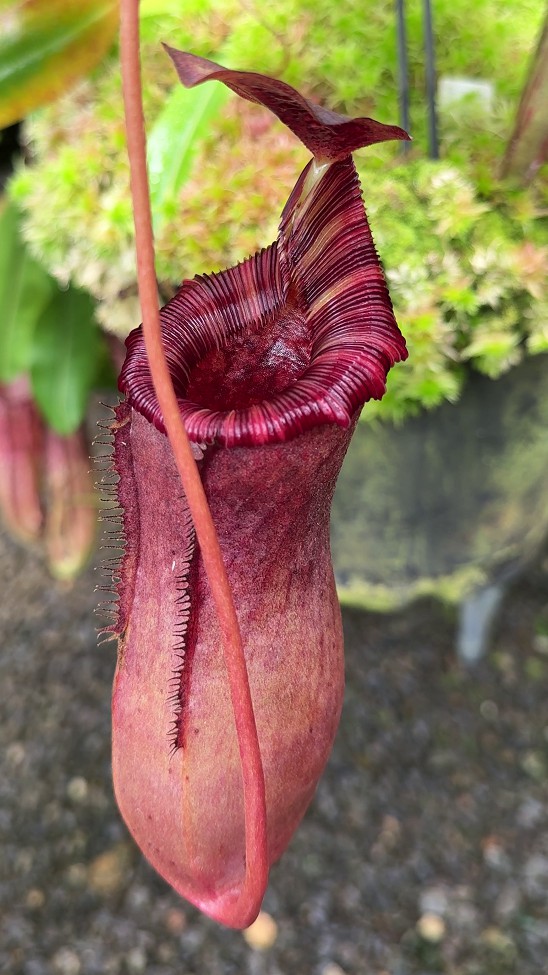
BE-4504
N. sibuyanensis x lowii - assorted clones
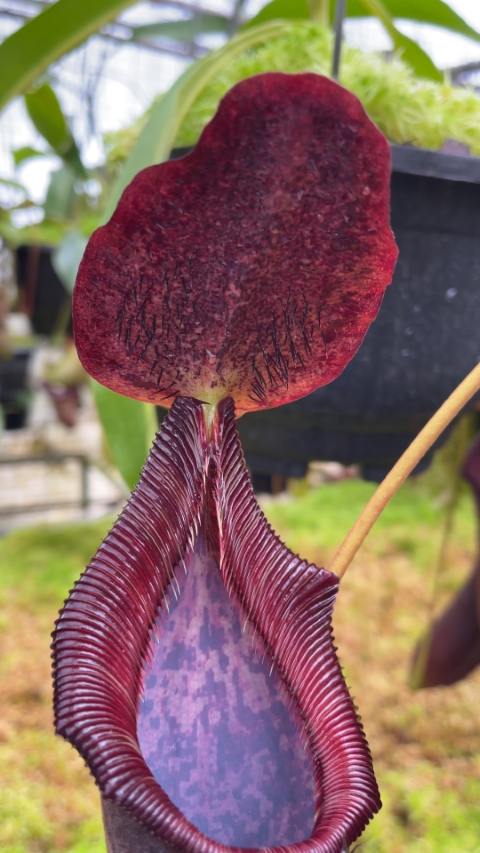
BE-4080
N. singalana x lowii – assorted clones
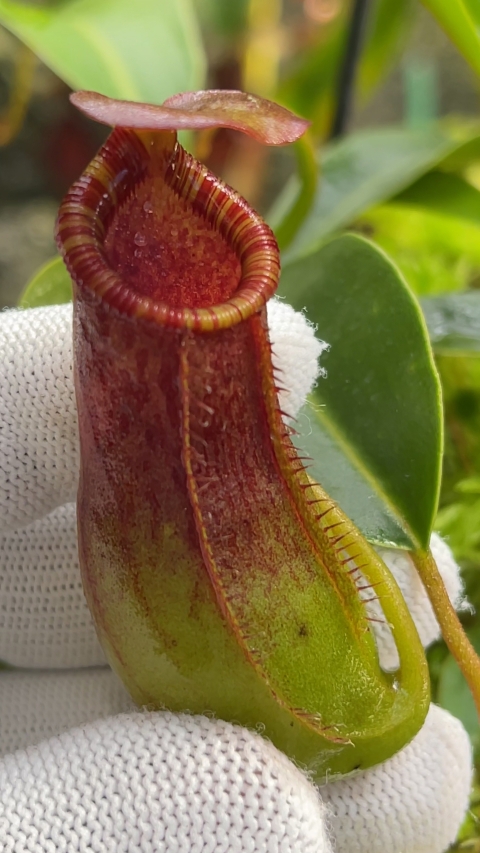
BE-4669
N. burkei x lowii - assorted clones
![N. {[(lowii x veitchii) x boschiana] x [(veitchii x maxima) x veitchii]} x edwardsiana - clone # 3](https://cdn.greenerthumb.ai/mirror/be/64693966-7c43-4aa0-a8e7-1e7c3da5a985.jpg)
BE-4678
N. {[(lowii x veitchii) x boschiana] x [(veitchii x maxima) x veitchii]} x edwardsiana - clone # 3
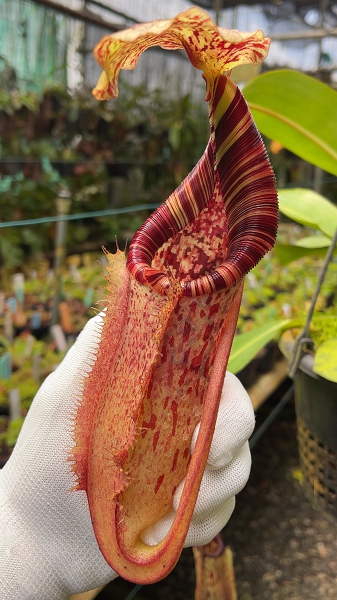
BE-4635
N. (veitchii x lowii) x burbidgeae - assorted clones
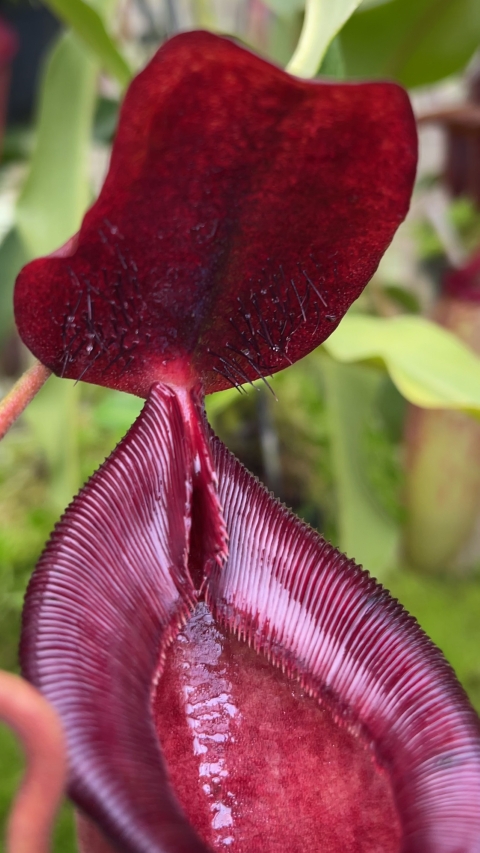
BE-4555
N. (aristolochioides x spectabilis) x lowii – assorted clones
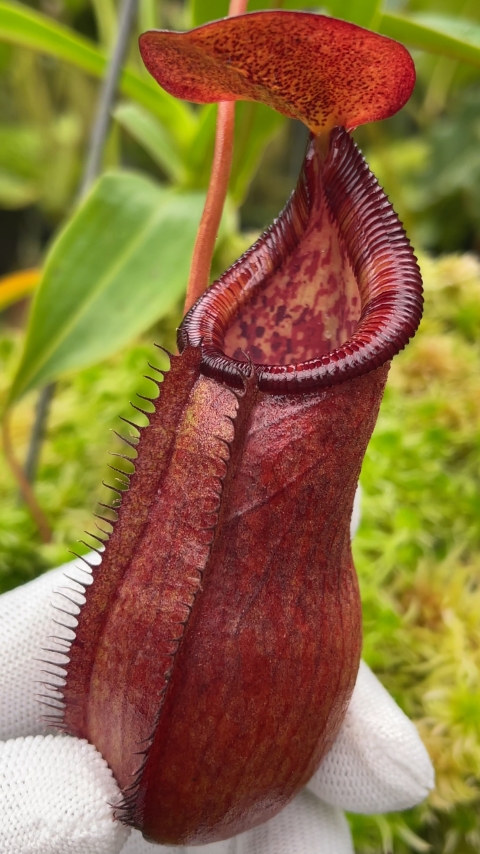
BE-4078
N. petiolata x (lowii x tentaculata) – assorted clones
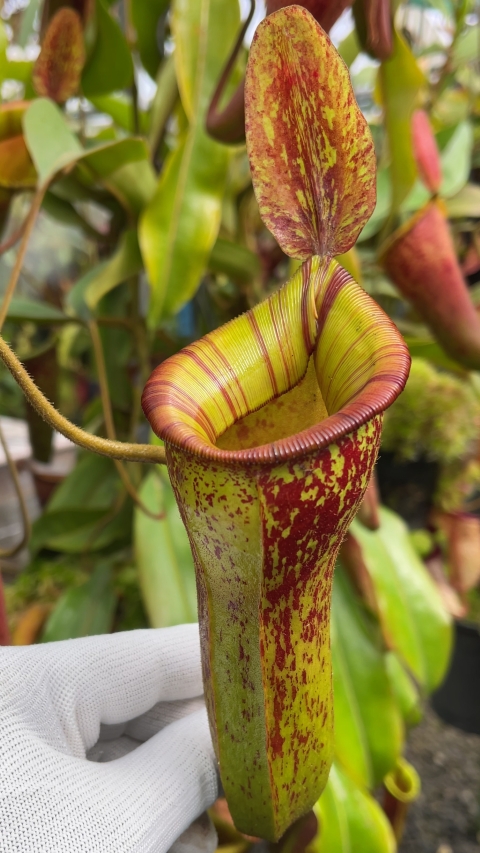
BE-4027
N. ampullaria x (veitchii x lowii) – selected clone
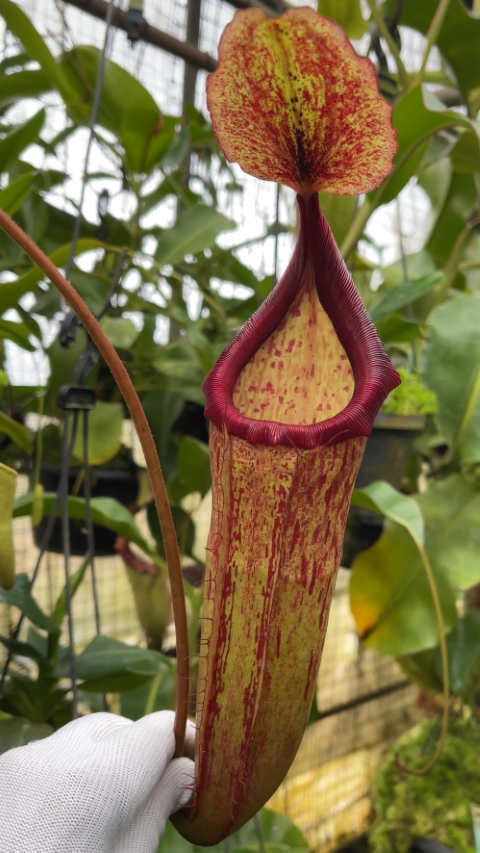
BE-3844
N. (veitchii x lowii) x samudera - assorted clones
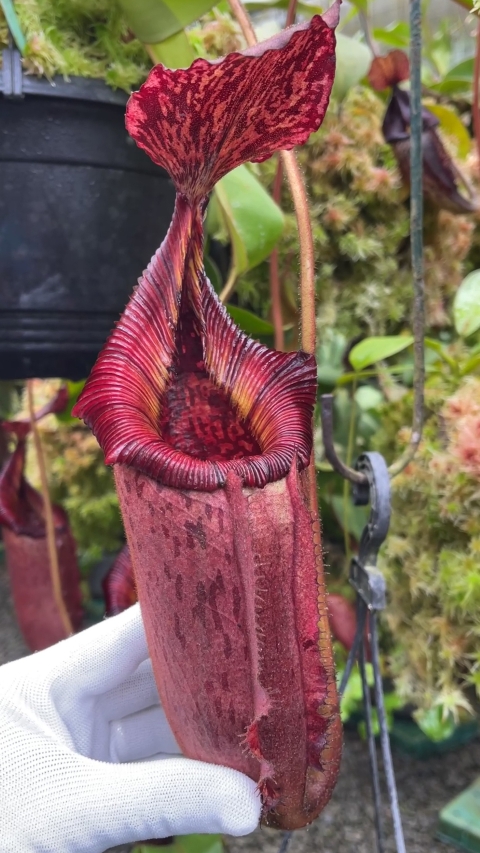
BE-3980
N. (veitchii x lowii) x (burbidgeae x edwardsiana) - assorted clones
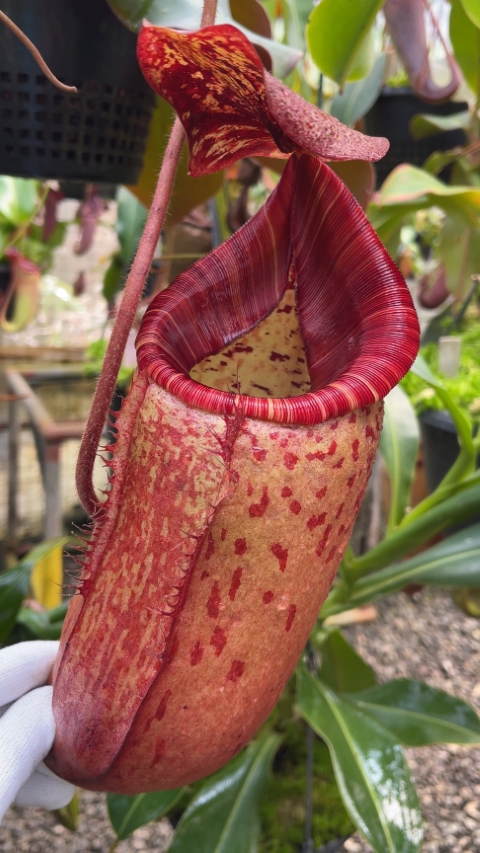
BE-4516
N. peltata x (veitchii x lowii)
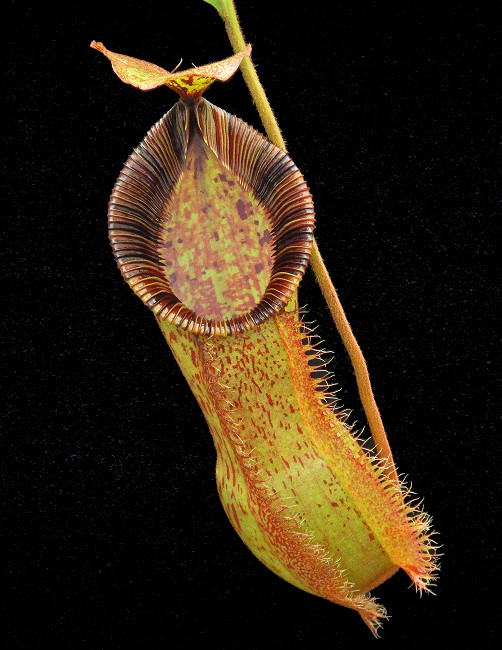
BE-4057
N. hamata x (veitchii x lowii) - assorted clones
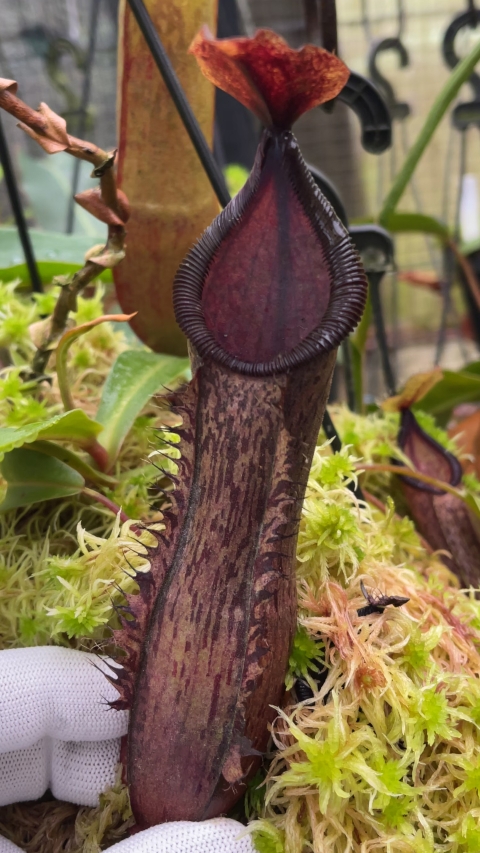
BE-4526
N. hamata x (lowii x tentaculata) - assorted clones
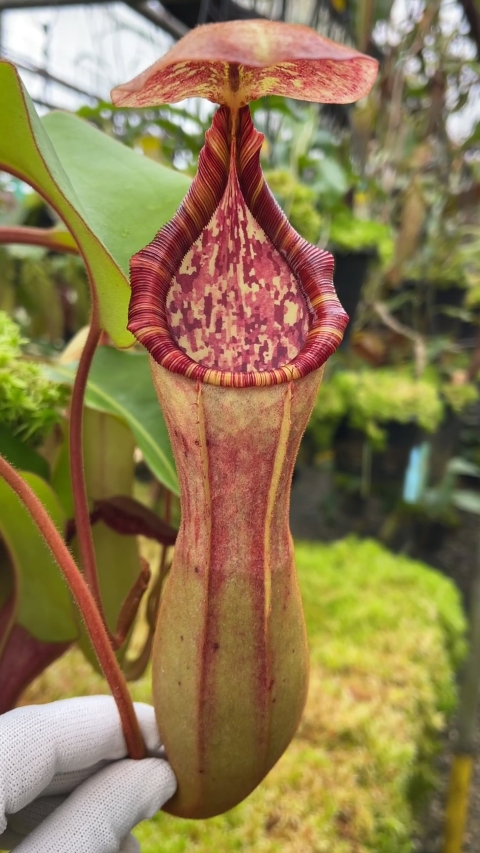
BE-4625
N. clipeata x (lowii x veitchii) - selected clones
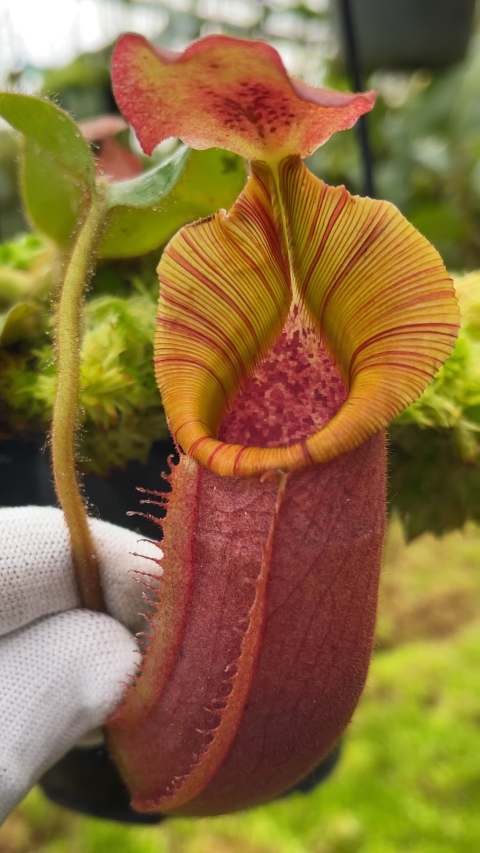
BE-4627
N. (veitchii x lowii) x veitchii
Crossed N. Lowii with another species?
Register the cross — if it's not yet documented you'll be the first contributor. If someone already registered it, you'll be redirected to add your photo.