Field Guide
Discover
917 species across 145 genera — plus learning guides and the growers powering the wiki.
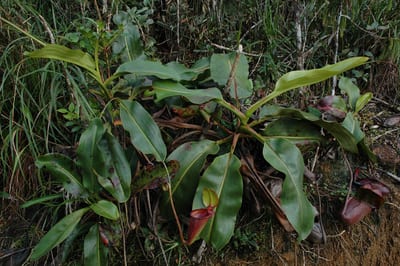
nepenthes
Tropical pitcher plants
Old World pitcher plants from Southeast Asia. Elaborate pitfall traps and incredible highland diversity.
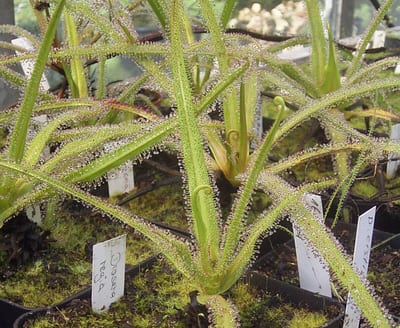
drosera
Sundews
Globally distributed sticky-trap carnivores. From beginner-proof Cape sundew to tricky petiolaris-complex tropicals.
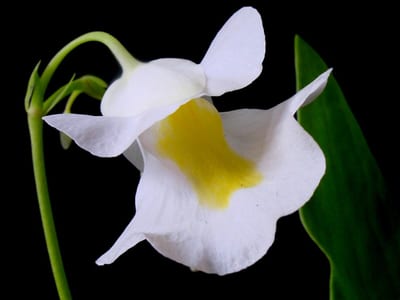
utricularia
Bladderworts
Microscopic suction-trap carnivores that punch above their weight with spectacular orchid-like flowers.
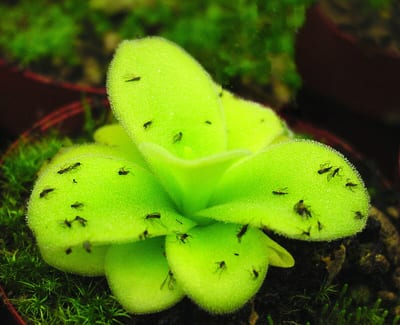
pinguicula
Butterworts
Flat sticky rosettes with showy flowers. Mexican succulents are easy windowsill plants; temperates need dormancy.
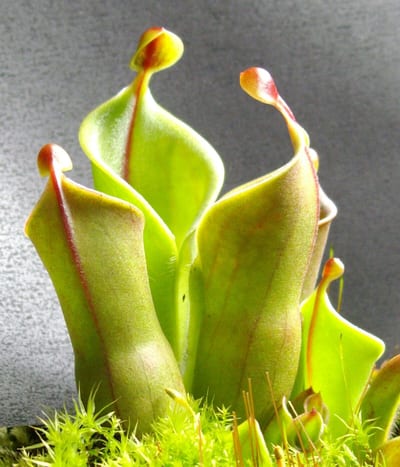
heliamphora
Sun pitchers
Endemic to the Venezuelan tepuis. Cool-growing highland carnivores with a prehistoric feel.
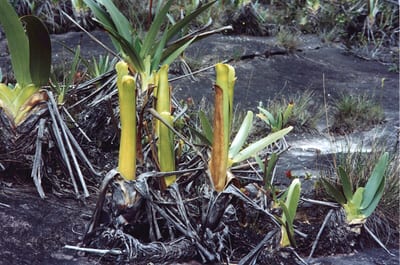
brocchinia
Carnivorous bromeliad
Tank bromeliad from the Guiana Highlands that drowns prey in its waxy, acidic leaf rosette.
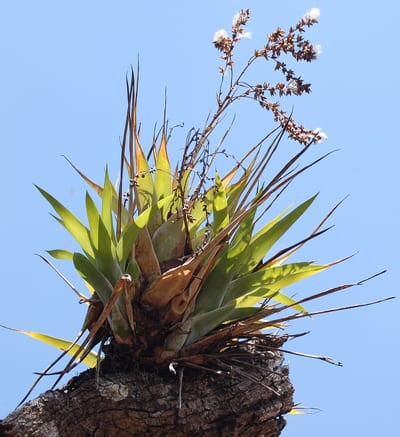
catopsis
Powdery strap airplant
A carnivorous epiphytic bromeliad with UV-reflective tank traps.
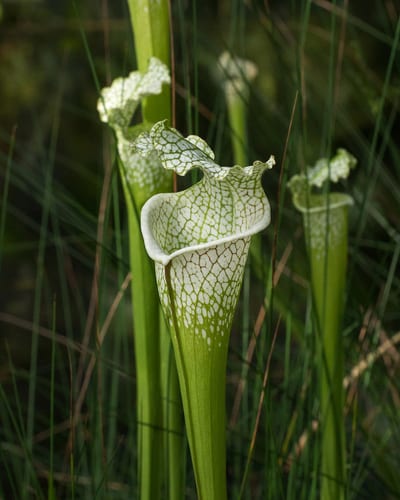
sarracenia
North American pitcher plants
Tall trumpet-shaped pitchers from eastern North American bogs. Hardy outdoor garden plants with winter dormancy.
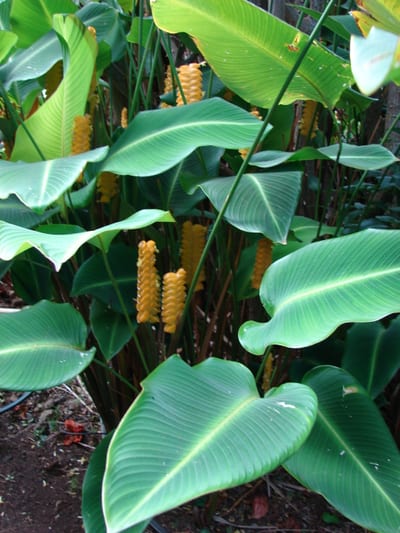
calathea
Calatheas
Striking patterned foliage that folds up at night. Beautiful but humidity-demanding divas.
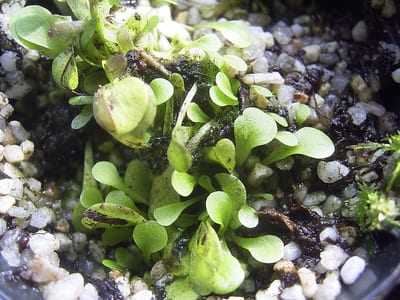
genlisea
Corkscrew plants
Underground eel-trap carnivores. Known for the tiniest known genome of any flowering plant.
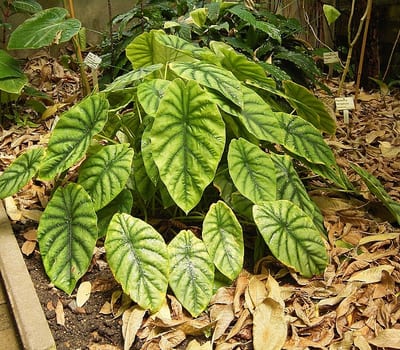
alocasia
Elephant ears
Dramatic arrow-shaped leaves on striking stems. Architectural houseplants that go dormant if stressed.
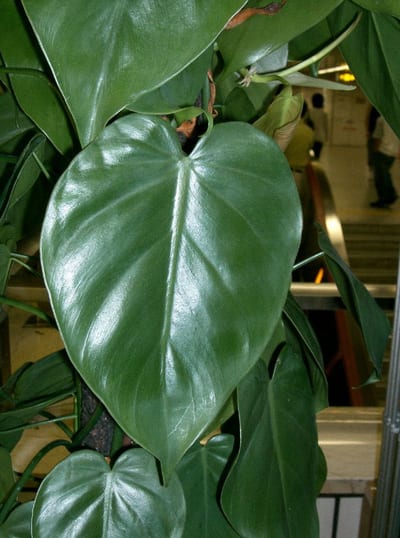
philodendron
Philodendrons
Massive genus of trailing and climbing aroids. From bulletproof heartleaf to collector velvet-leaf species.
ficus
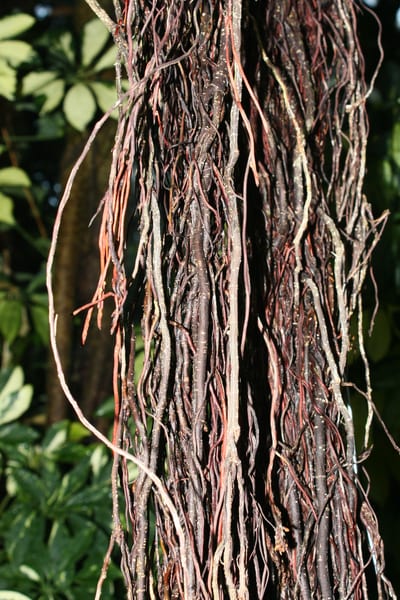
Figs
From the dramatic fiddle leaf fig to the bulletproof rubber plant. Statement houseplants of every size.
aglaonema
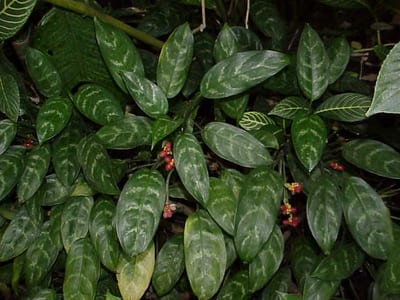
Chinese evergreens
Slow-growing, patterned foliage plants. Unbeatable low-light tolerance makes them ideal for offices.
citrus
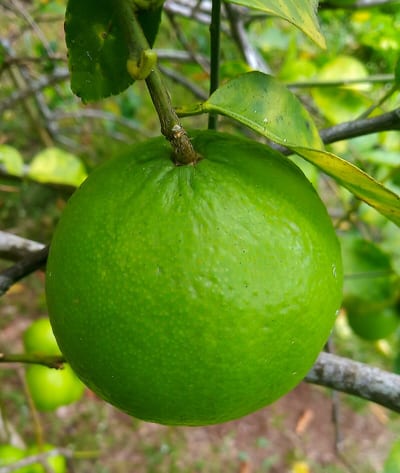
Citrus trees
Fragrant blossoms and edible fruit on compact evergreen trees. Lemons, limes, oranges, and more.
anthurium
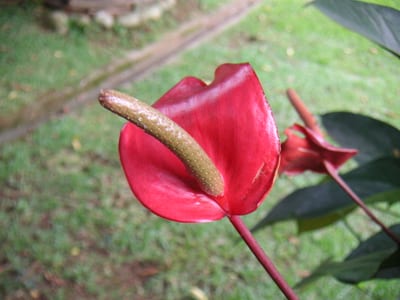
Anthuriums
Glossy heart-shaped spathes or velvety collector foliage. One of the largest aroid genera.
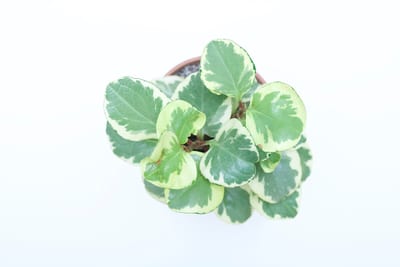
peperomia
Peperomias
Compact, glossy-leafed plants that thrive on desks and shelves. Nearly pest-free and easy to care for.
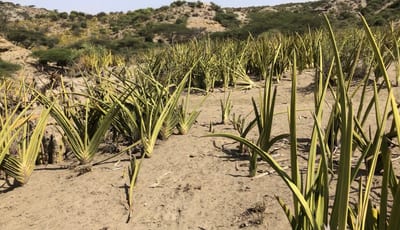
sansevieria
Plant genus.
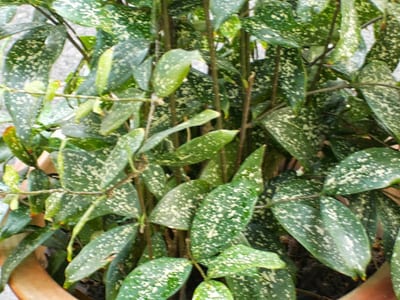
dracaena
Plant genus.
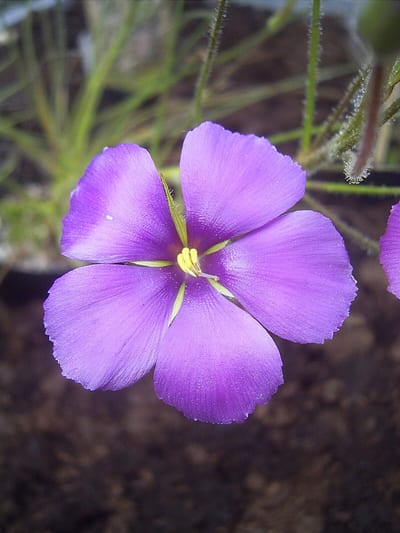
byblis
Rainbow plants
Sticky-glandular Australian annuals and perennials. Named for the iridescence of their dew in sunlight.
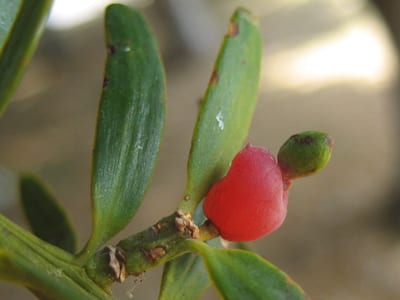
podocarpus
Plant genus.
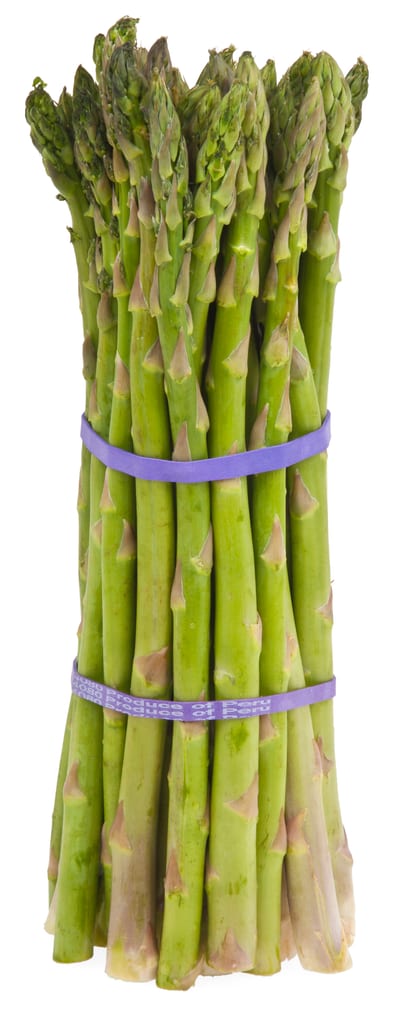
asparagus
Plant genus.
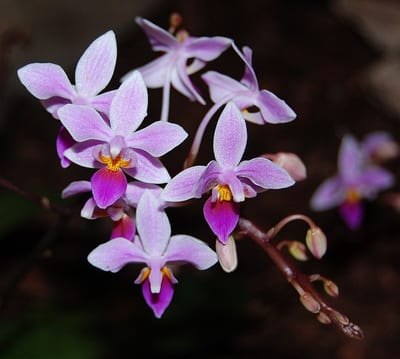
phalaenopsis
Moth orchids
The most popular houseplant orchids. Long-lasting sprays of flat-faced flowers in every color imaginable.
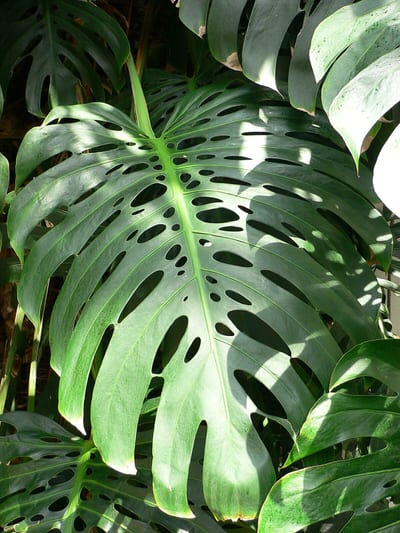
monstera
Swiss cheese plants
Iconic climbing aroids with fenestrated leaves. The most recognizable houseplant genus in the world.

portulaca
Plant genus.
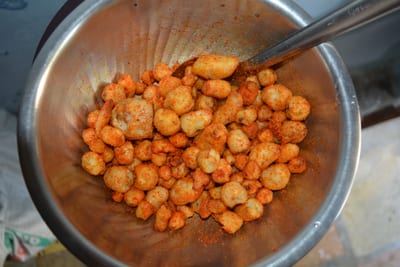
colocasia
Taro
Giant-leafed tropical aroids grown as ornamentals and food crops. Dramatic landscape plants.
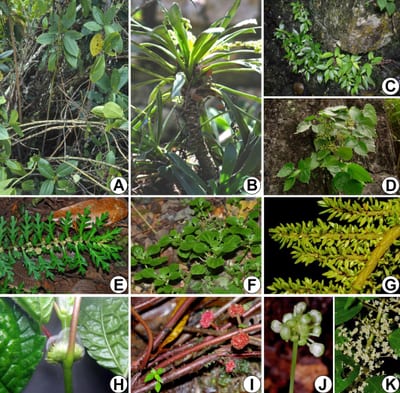
pilea
Chinese money plant
Round coin-shaped leaves on slender stems. Produces abundant pups — the friendship plant.
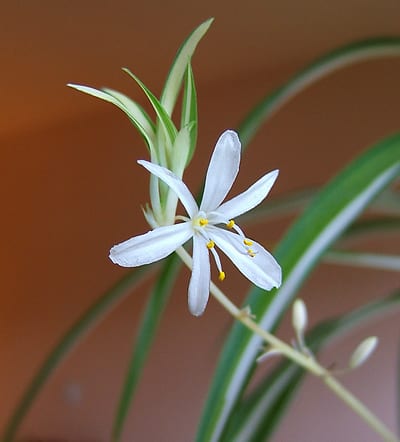
chlorophytum
Plant genus.
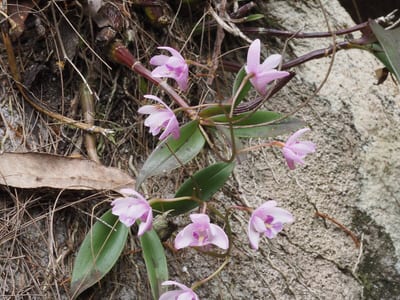
dendrobium
Dendrobiums
Hugely diverse genus of cane-forming orchids from Asia and Australasia. Over 1,800 species.
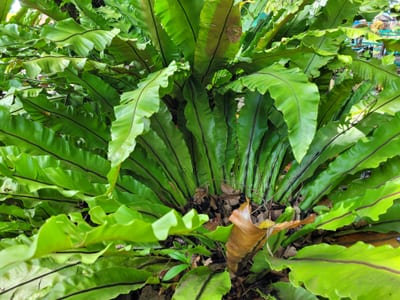
asplenium
Plant genus.
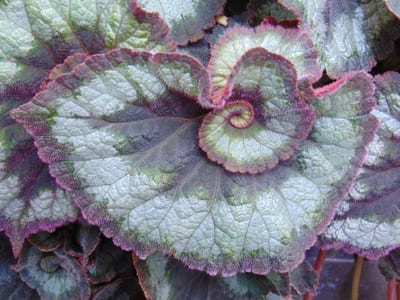
begonia
Begonias
Polka dots, angel wings, and spiraling leaves. A massive genus of ornamental foliage and flowers.
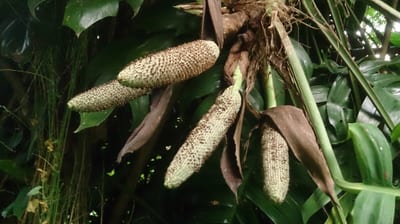
epipremnum
Pothos
The virtually unkillable trailing houseplant. Thrives in nearly any indoor condition.
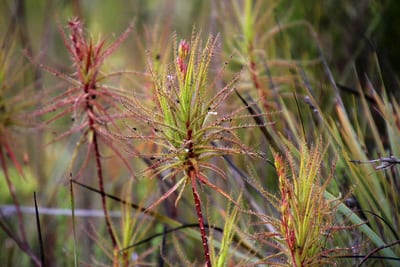
roridula
Fly bush
Protocarnivorous South African shrubs that share prey with mutualistic assassin bugs.
plectranthus
Plant genus.
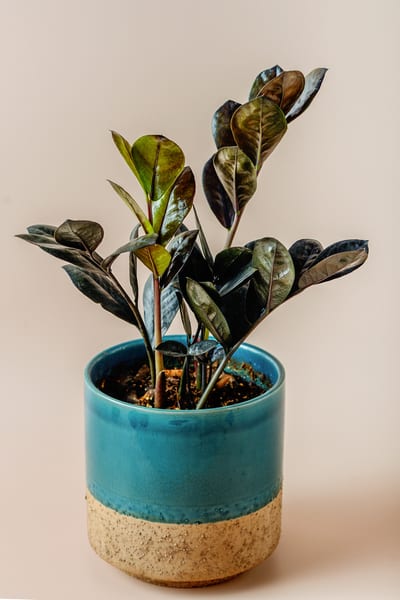
zamioculcas
ZZ plant
The ultimate set-and-forget houseplant. Thick waxy leaves, drought-tolerant, thrives on neglect.
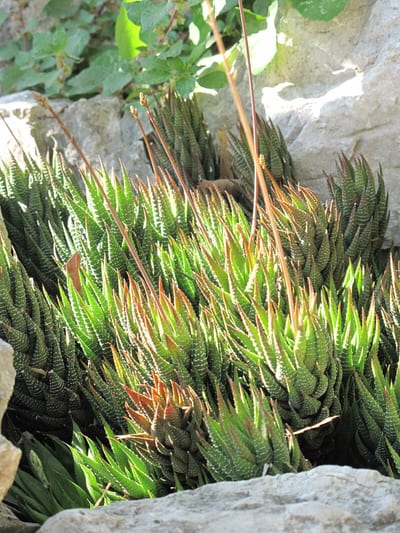
haworthia
Haworthias
Small, slow-growing succulents with distinctive white bands or translucent windows. Great for low light.
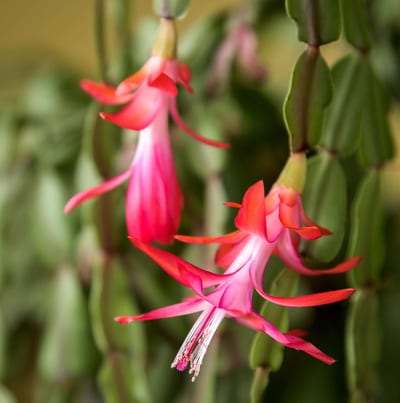
schlumbergera
Christmas cacti
Jungle epiphytes that bloom around the holidays. Nothing like desert cacti — they love humidity and shade.
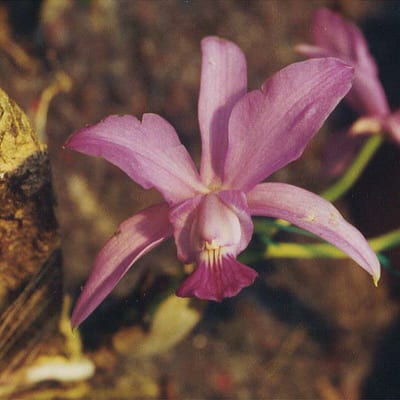
cattleya
Corsage orchids
The classic corsage orchid — large, fragrant, showy blooms. Cornerstone of orchid hybridization.
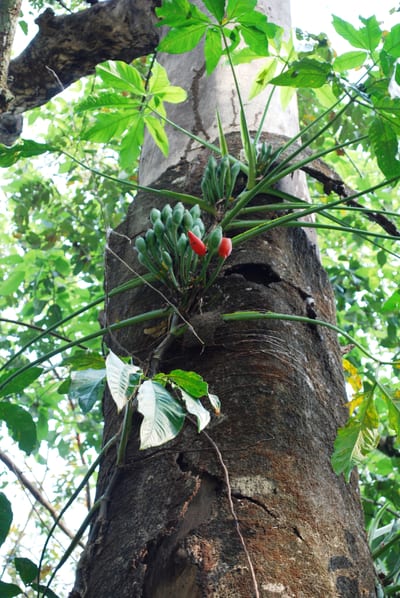
syngonium
Arrowhead vines
Versatile trailing aroids with arrow-shaped leaves that become lobed with age. Many color varieties.
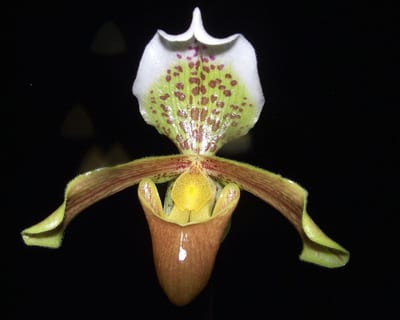
paphiopedilum
Slipper orchids
Terrestrial orchids with a distinctive pouch-shaped lip. Slow-growing collector favorites.
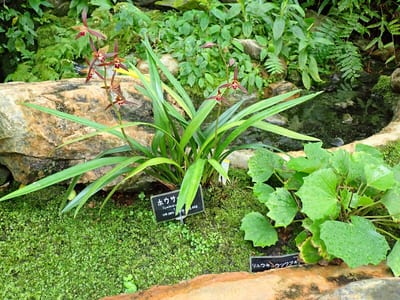
cymbidium
Boat orchids
Cool-growing orchids with arching sprays of waxy flowers. Cultivated in Asia for over a thousand years.
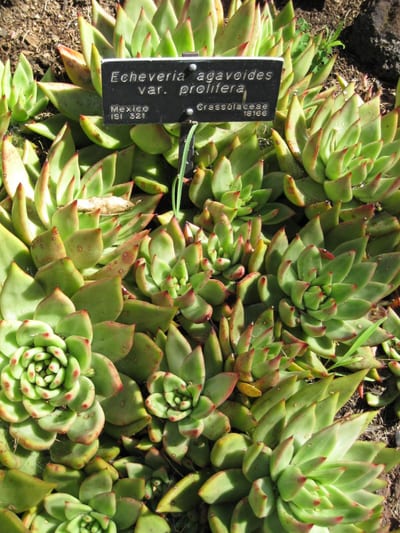
echeveria
Echeverias
Compact rosette succulents in pastels of blue, pink, and green. The quintessential succulent genus.
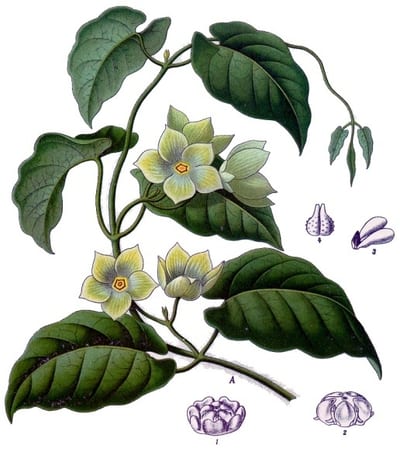
dischidia
Plant genus.
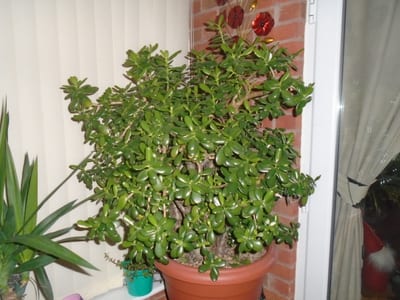
crassula
Jade plants
Woody succulent shrubs that develop a bonsai-like form over decades. Symbols of good luck.
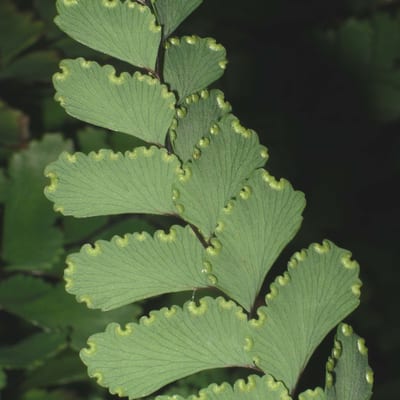
adiantum
Maidenhair ferns
Delicate fan-shaped leaflets on wiry black stems. Beautiful but notoriously demanding — needs constant moisture.

kalanchoe
Kalanchoes
Compact flowering succulents with clusters of long-lasting blooms. The most popular flowering succulent.
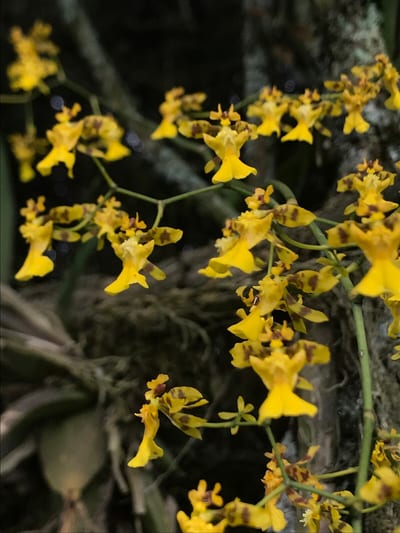
oncidium
Dancing lady orchids
Sprays of small yellow flowers that dance in the breeze. Easy-growing and frequently fragrant.
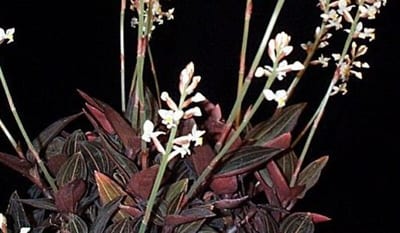
ludisia
Jewel orchids
Grown for stunning velvety foliage with sparkling veins, not the flowers. Perfect terrarium orchids.
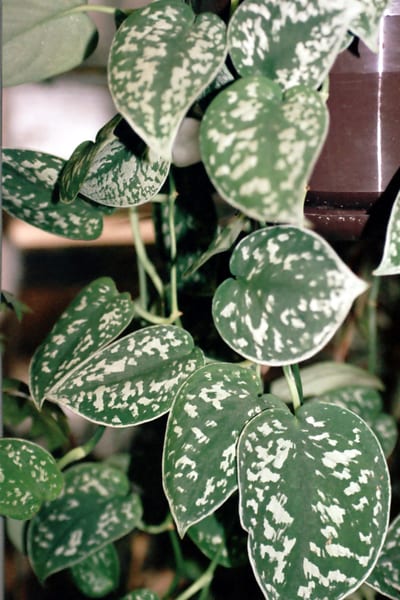
scindapsus
Satin pothos
Trailing aroids with silvery-spotted matte leaves and a satin sheen. Slightly fussier cousins of pothos.
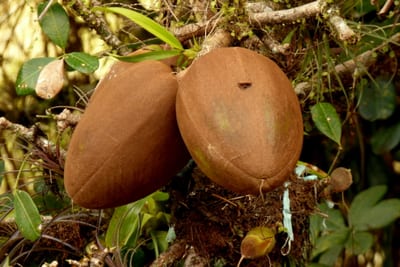
pachira
Plant genus.
spathiphyllum
Peace lilies
Elegant white spathes above dark foliage. Droops visibly when thirsty — the self-watering reminder plant.
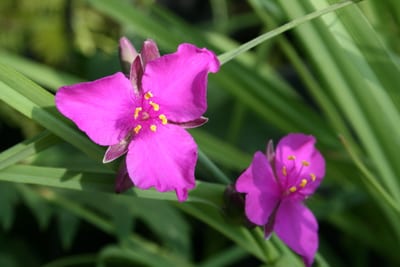
tradescantia
Inch plants
Fast-growing trailers with shimmering purple and silver stripes. Root in water in days.
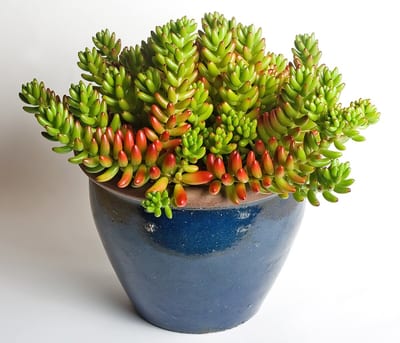
sedum
Stonecrops
Trailing and ground-cover succulents with plump, colorful leaves. Easy growers and prolific propagators.
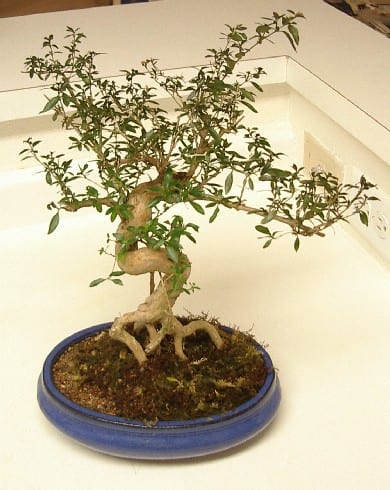
serissa
Plant genus.
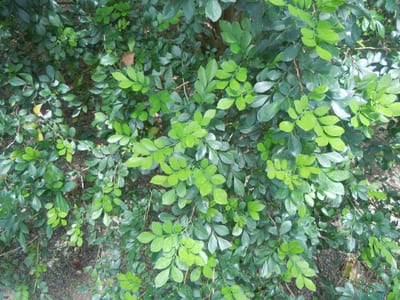
murraya
Plant genus.
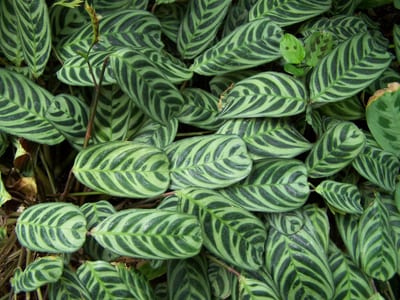
ctenanthe
Plant genus.
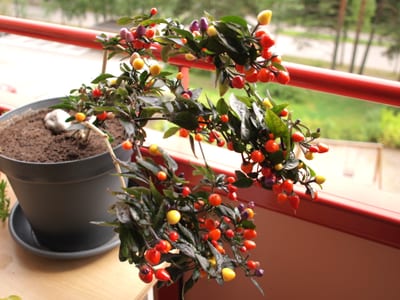
capsicum
Plant genus.
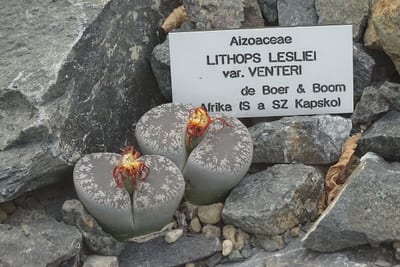
lithops
Living stones
Mimicry plants that look like pebbles. Fascinating but demanding — strict seasonal watering is essential.
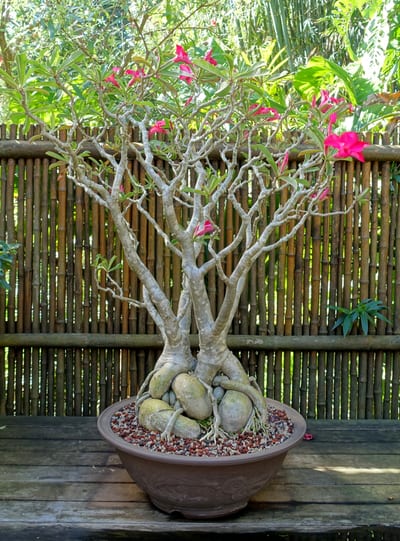
adenium
Plant genus.
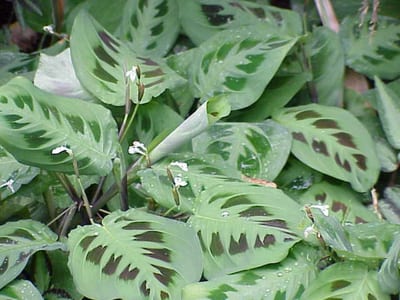
maranta
Prayer plants
Low-growing foliage plants with intricately patterned leaves that fold upward at night.

fragaria
Plant genus.
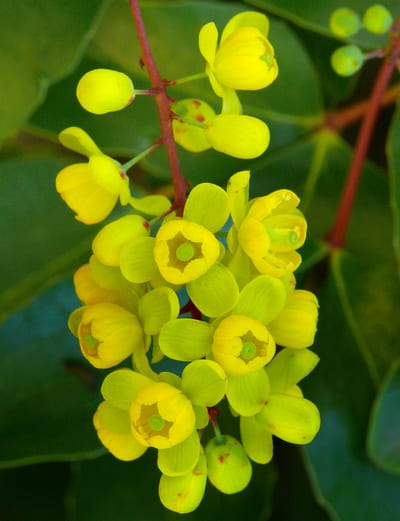
draco
Plant genus.
cereus
Column cacti
Tall, columnar cacti with blue-green ribbed stems. Night-blooming with large fragrant white flowers.
guzmania
Plant genus.
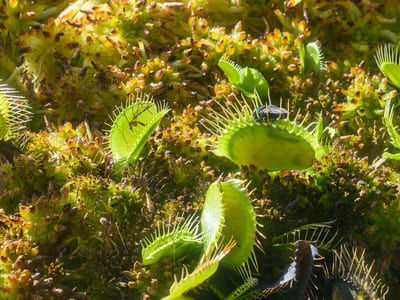
dionaea
Venus flytrap
The iconic snap-trap carnivore. Native to a tiny slice of the Carolinas — hundreds of cultivars in trade.
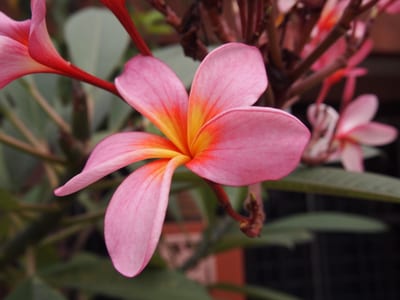
plumeria
Plant genus.
caladium
Angel wings
Paper-thin leaves in spectacular pinks, reds, and whites. Tuberous aroids that go dormant in winter.
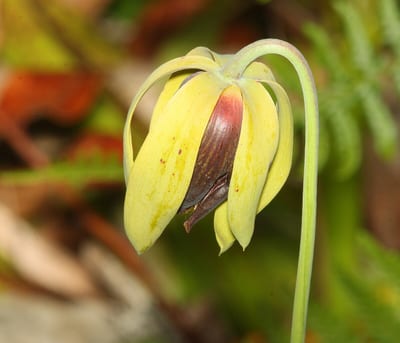
darlingtonia
Cobra lily
Hooded cobra-like pitchers from Pacific Northwest serpentine seeps. Needs cold root runs.
echinocactus
Golden barrels
Densely golden-spined spherical cacti. Critically endangered in the wild but extensively propagated.
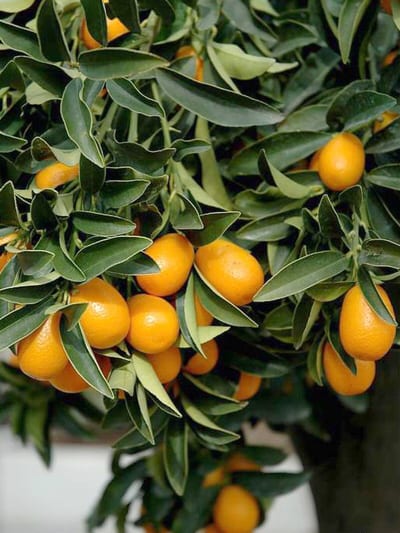
fortunella
Kumquats
Tiny citrus fruits eaten whole — sweet rind, tart flesh. The most cold-hardy and compact citrus.
zanthoxylum
Plant genus.
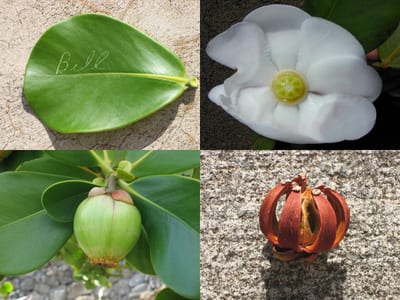
clusia
Plant genus.
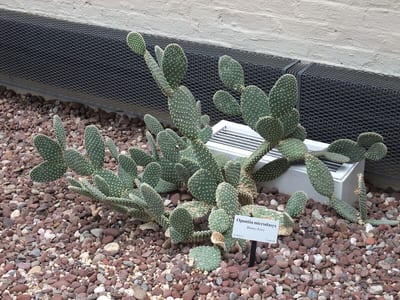
opuntia
Prickly pears
Flat-padded cacti found across the Americas. Iconic bunny ears form is a houseplant staple.
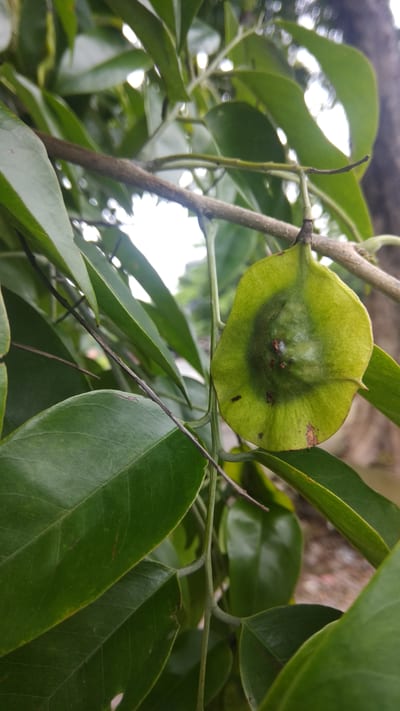
pterocarpus
Plant genus.
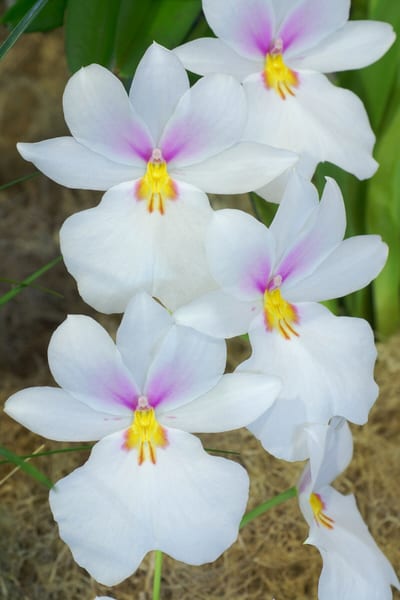
miltoniopsis
Pansy orchids
Cloud-forest orchids with large, flat, pansy-like flowers. Prefer cool and humid conditions.
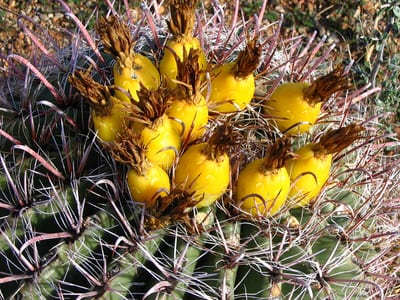
ferocactus
Barrel cacti
Large barrel-shaped cacti with prominent hooked spines. Slow-growing desert icons.
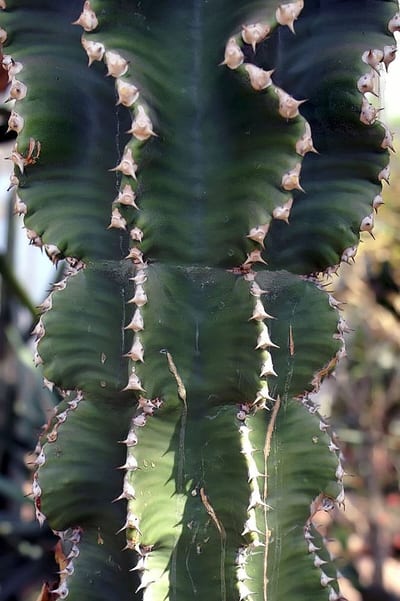
euphorbia
Plant genus.
schefflera
Plant genus.
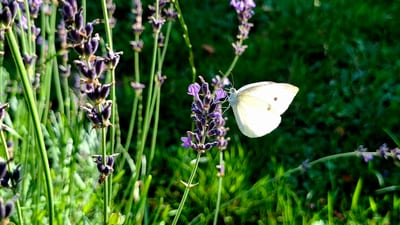
lavandula
Plant genus.
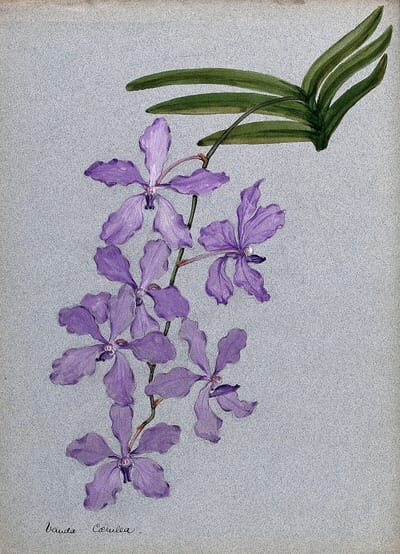
vanda
Vandas
Warm-growing epiphytes with flat, often tessellated flowers. Famous for true blue blooms.
areca
Plant genus.
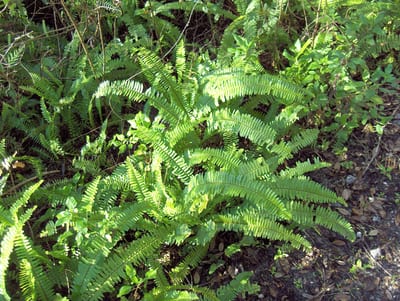
nephrolepis
Boston ferns
Classic arching ferns with long graceful fronds. The quintessential hanging basket and porch plant.
nematanthus
Plant genus.
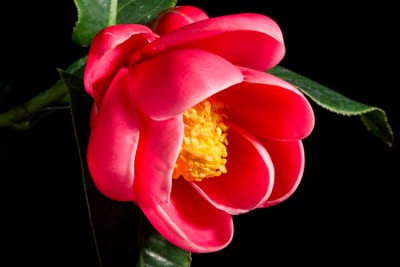
camellia
Plant genus.
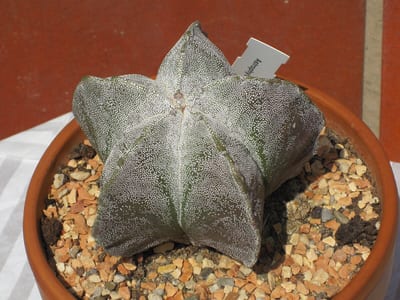
astrophytum
Star cacti
Spineless, star-shaped cacti covered in tiny white flecks. Slow-growing collector favorites.
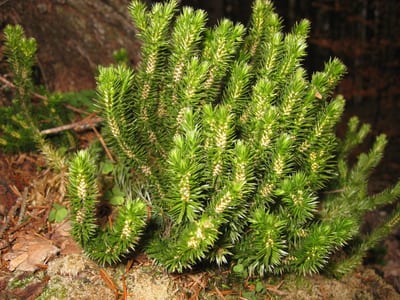
selaginella
Plant genus.
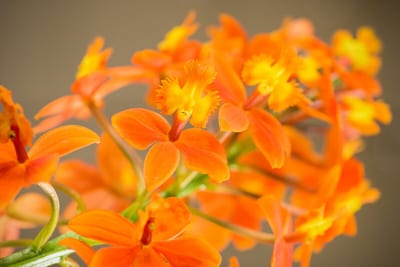
epidendrum
Reed-stem orchids
Vigorous reed-type orchids with vibrant orange-red flower clusters nearly year-round.
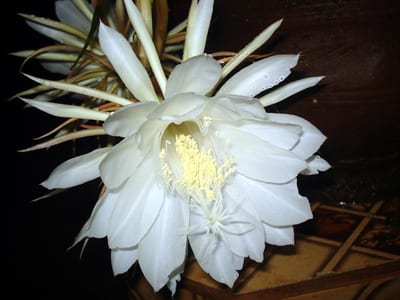
epiphyllum
Plant genus.
solanum
Plant genus.
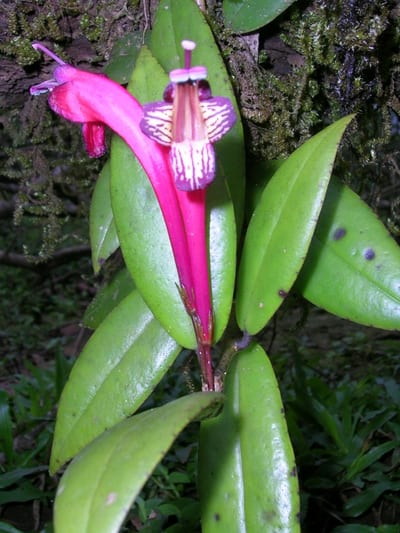
aeschynanthus
Plant genus.
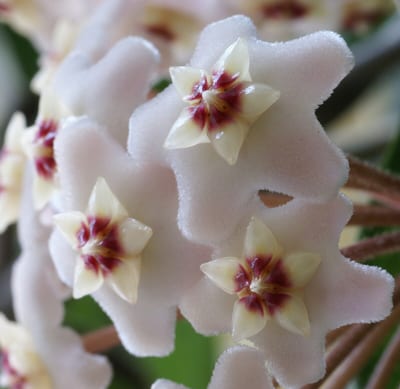
hoya
Wax plants
Vining epiphytes with waxy leaves and clusters of fragrant star-shaped flowers. Long-lived and low-maintenance.
xanthosoma
Plant genus.
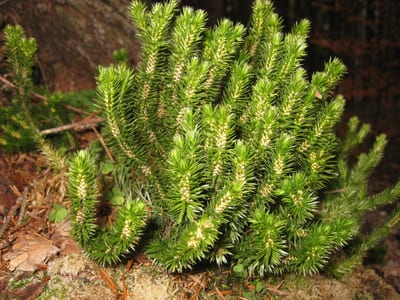
lycopodiopsida
Plant genus.
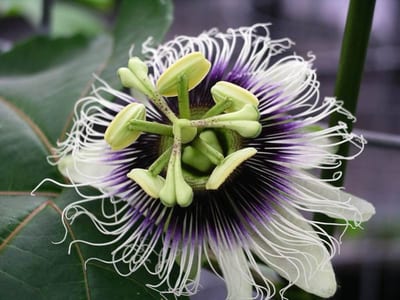
passiflora
Passion fruit
Vigorous vines with exotic, intricate flowers and aromatic fruit. Need warmth and a sturdy trellis.
dieffenbachia
Plant genus.
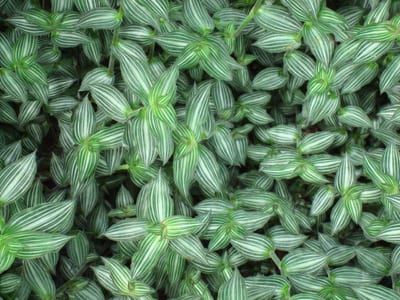
callisia
Plant genus.
hypoestes
Plant genus.
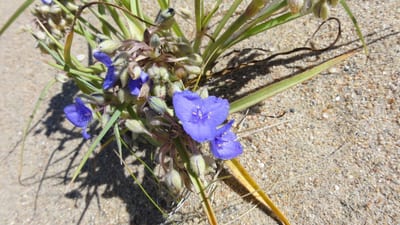
rhoeo
Plant genus.
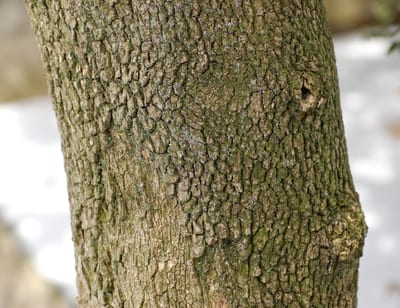
buxus
Plant genus.
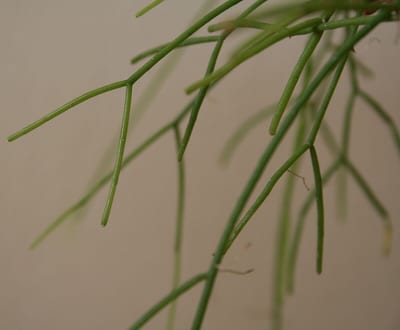
rhipsalis
Mistletoe cacti
Spineless trailing jungle cacti. The only cactus genus native to the Old World. Perfect hanging plants.
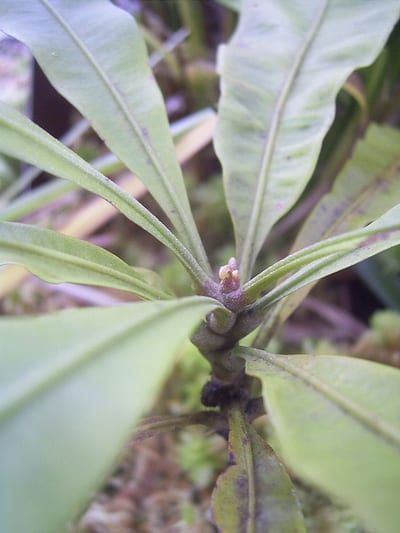
triphyophyllum
Part-time liana carnivore
West African rainforest liana that is only carnivorous during a brief juvenile phase.
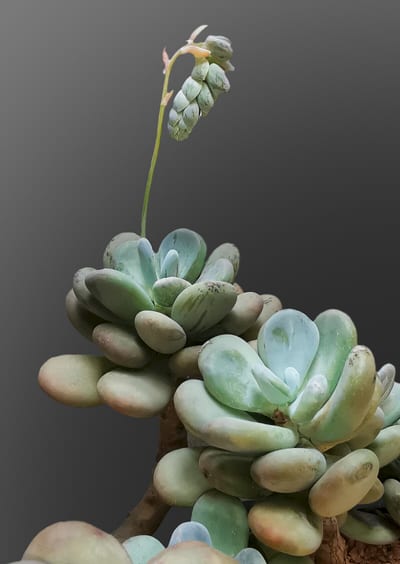
pachyphytum
Moonstones
Plump, egg-shaped leaves coated in powdery farina. Chunky pastel rosettes loved by collectors.
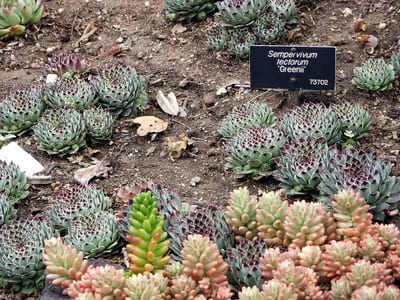
sempervivum
Hens and chicks
Hardy rosette succulents that form dense mats of offsets. Extremely cold-tolerant, even in snow.
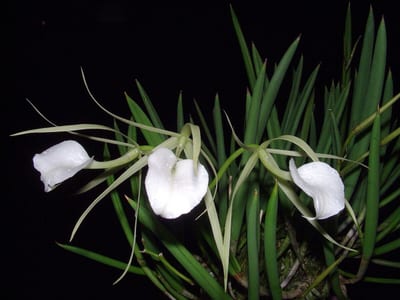
brassavola
Lady of the night
Night-fragrant orchids with elegant white-green flowers. Tough, heat-tolerant epiphytes.
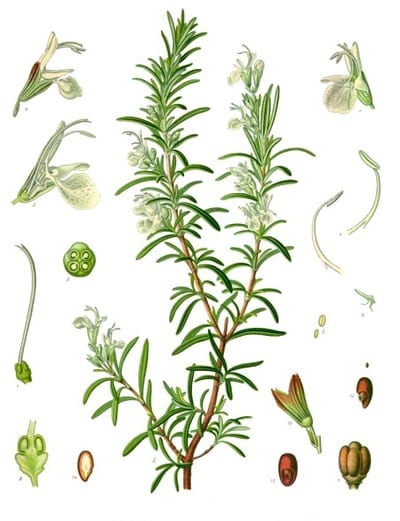
salvia
Plant genus.
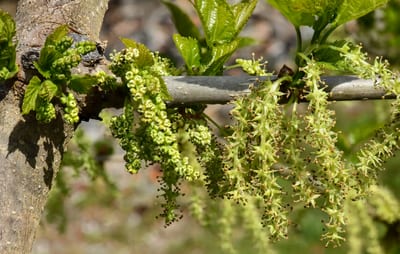
morus
Plant genus.
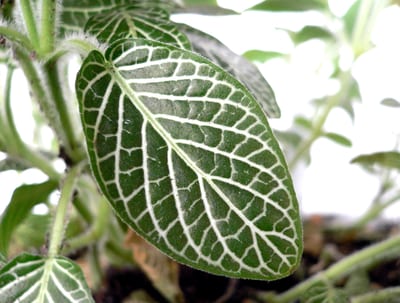
fittonia
Plant genus.
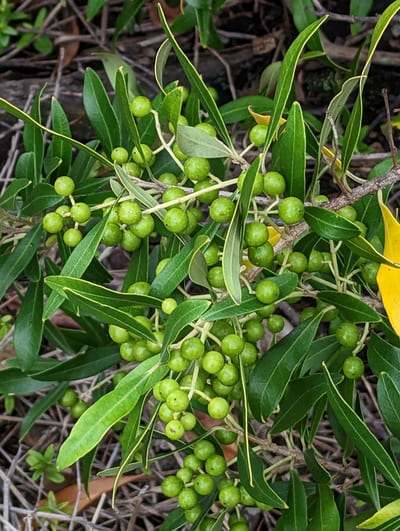
olea
Plant genus.
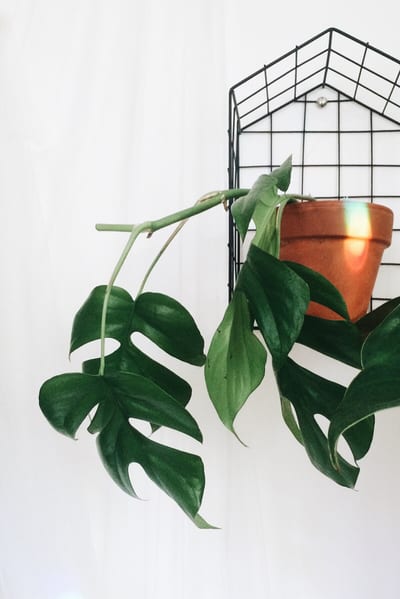
rhaphidophora
Mini monsteras
Fast-growing climbers with fenestrated leaves. Not true Monsteras but just as charming at a smaller scale.
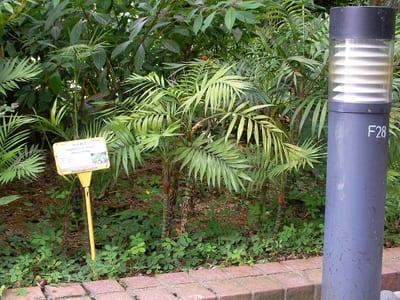
chamaedorea
Parlor palms
Compact, shade-tolerant palms popular since the Victorian era. Graceful arching fronds in low light.
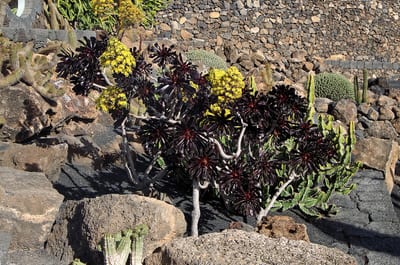
aeonium
Tree aeoniums
Branching succulents with dramatic rosettes atop woody stems. The near-black Zwartkop is a collector icon.
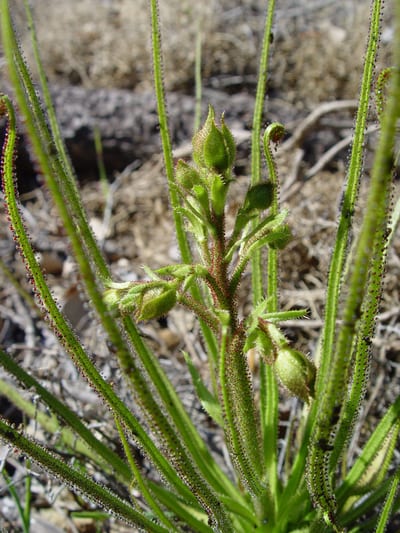
drosophyllum
Portuguese dewy pine
The odd one out — a dry, alkaline-loving carnivore from Iberian and Moroccan scrubland.
platycerium
Plant genus.
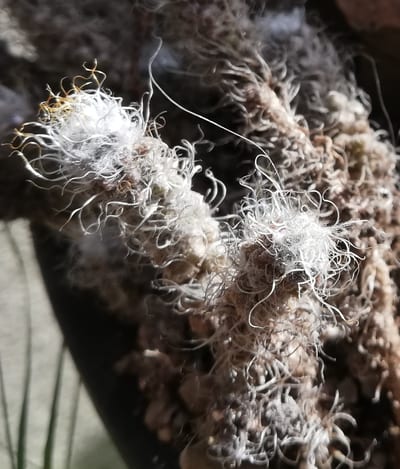
anacampseros
Plant genus.
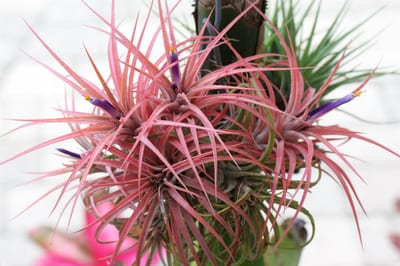
tillandsia
Plant genus.
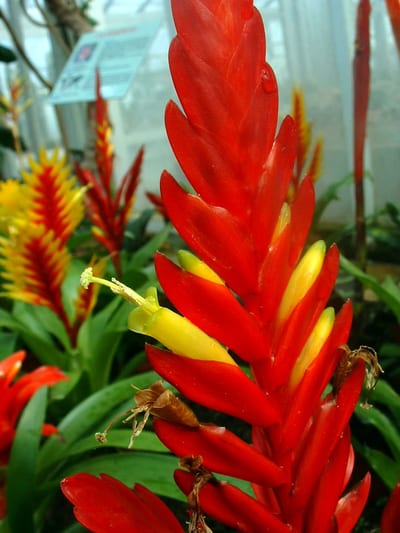
vriesea
Plant genus.
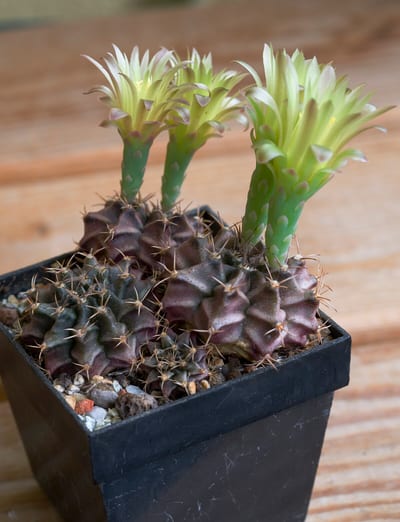
gymnocalycium
Chin cacti
Small globular cacti. The neon-colored grafted moon cactus is one of the most recognizable cacti in stores.
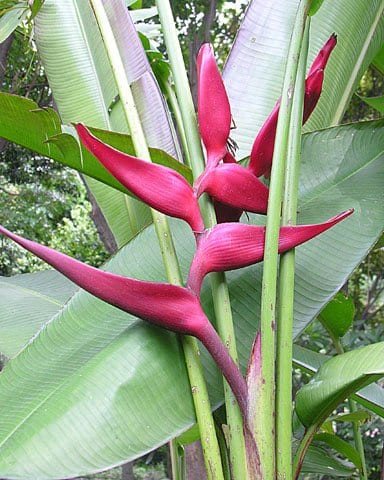
heliconia
Plant genus.
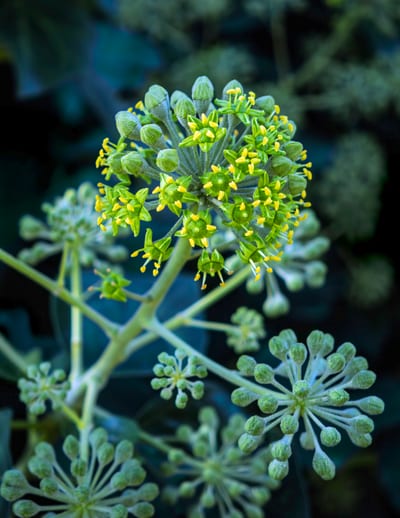
hedera
Plant genus.
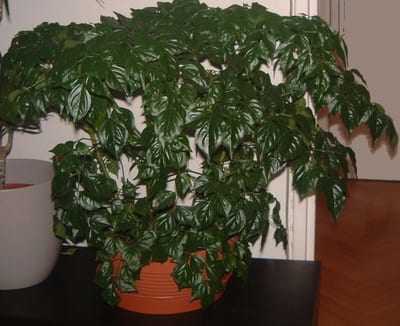
radermachera
Plant genus.
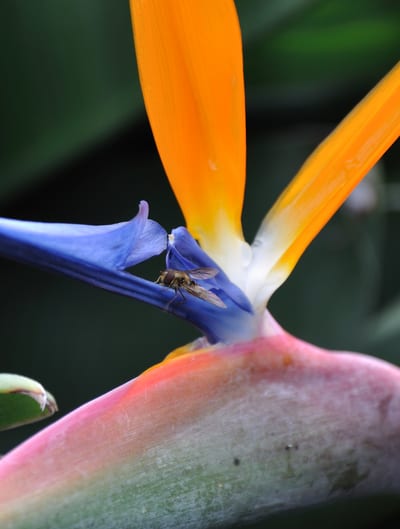
strelitzia
Plant genus.
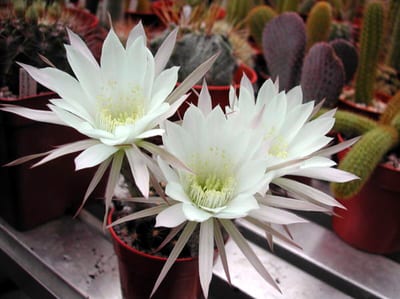
echinopsis
Easter lily cacti
Night-blooming cacti with spectacular, fragrant flowers often larger than the plant itself.
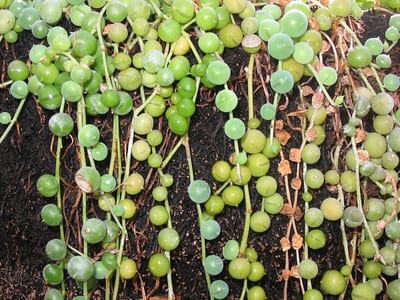
senecio
String succulents
Trailing succulents with bead-like leaves. String of pearls, dolphins, and bananas — dramatic hanging plants.
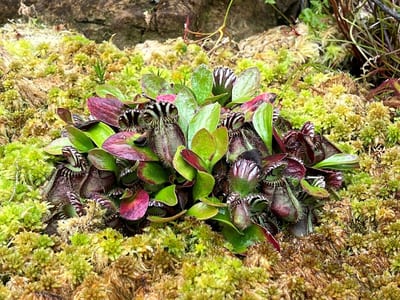
cephalotus
Albany pitcher plant
Sole member of its genus. Squat, jewel-like pitchers from a single location in southwest Australia.
hatiora
Easter cacti
Epiphytic jungle cacti with bottle-shaped segments. Relatives of Christmas cacti with similar care.
dipteracanthus
Plant genus.
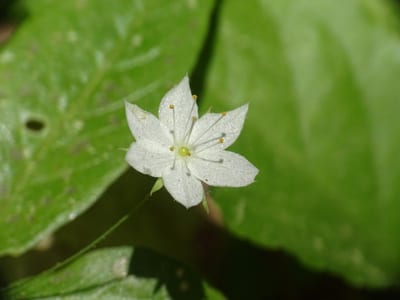
lysimachia
Plant genus.
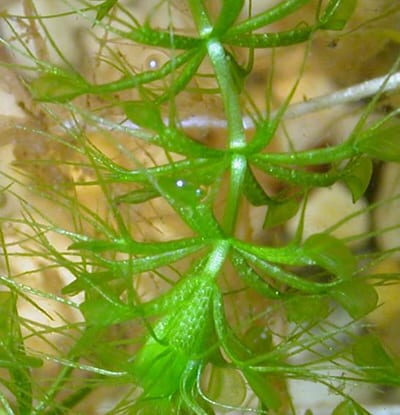
aldrovanda
Waterwheel plant
Rootless free-floating aquatic snap-trap. An aquatic cousin of the Venus flytrap.
parodia
Ball cacti
Columnar cacti with soft golden spines and bright yellow flowers. More cold-tolerant than most.
mammillaria
Pincushion cacti
Globular cacti with rings of small colorful flowers at the crown. One of the largest and easiest cactus genera.
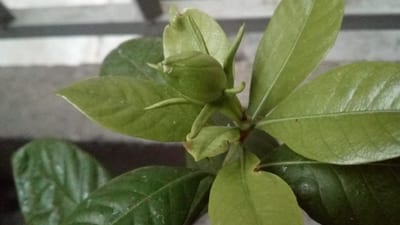
gardenia
Plant genus.
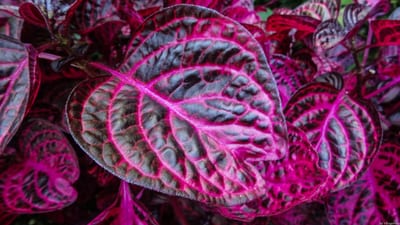
iresine
Plant genus.
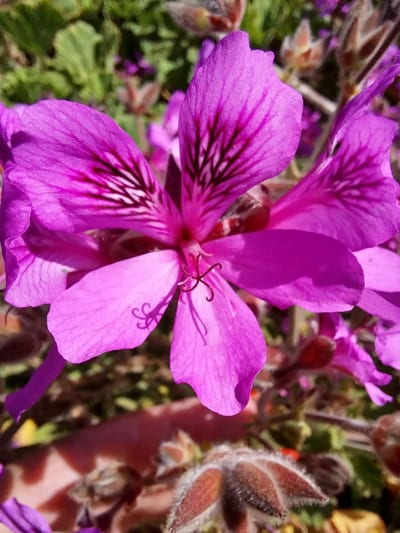
pelargonium
Plant genus.
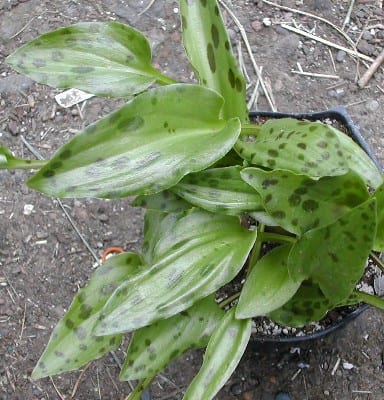
drimiopsis
Plant genus.
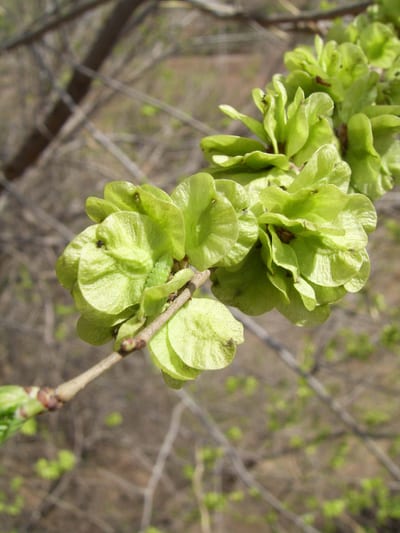
ulmus
Plant genus.
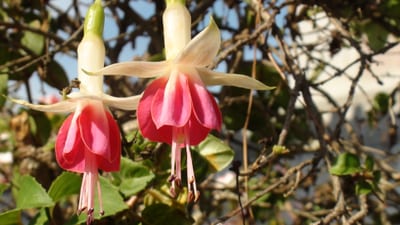
fuchsia
Plant genus.

rosa
Plant genus.
cojoba
Plant genus.
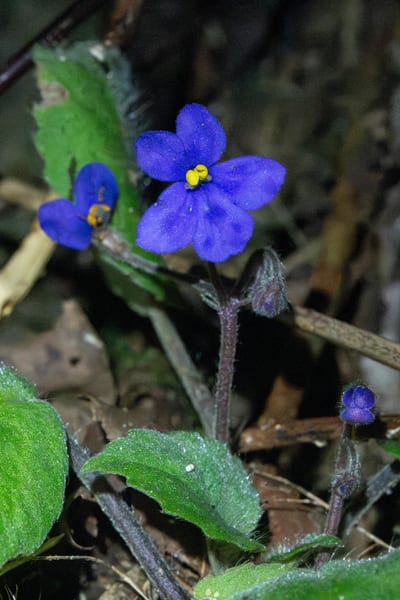
saintpaulia
Plant genus.
oxalis
Plant genus.
aloe
Aloes
Thick-leafed succulents famous for their soothing gel. From tiny dwarf species to tree-sized giants.
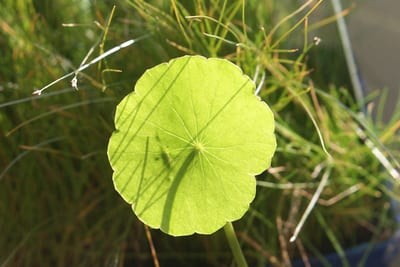
hydrocotyle
Plant genus.
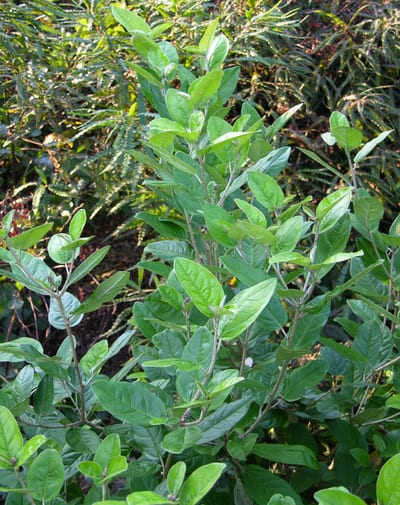
codiaeum
Plant genus.
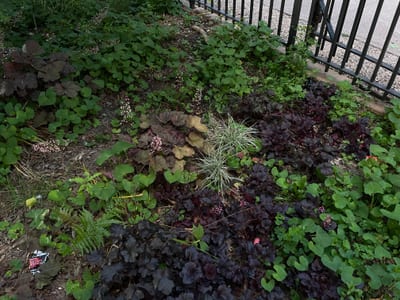
heuchera
Plant genus.
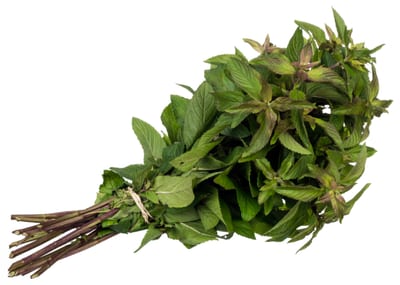
mentha
Plant genus.
Learn
Field notes & getting started
Plain-language guides for new and experienced growers. Suggestions welcome via Settings › Feedback.
Getting started on GreenerThumb
How to track a collection, post a Help-ID, log a wild sighting, and contribute photos to the wiki. A quick tour of the platform.
Read the guide →Plant care basics
Light, water and water quality, potting media, humidity, feeding, dormancy — the fundamentals behind every genus, and how to read leaf symptoms.
Read the guide →Pests & problems
Identify bugs from symptoms — mites, mealybugs, thrips, scale — plus the look-alikes that aren't pests, and a step-by-step treatment ladder.
Read the guide →Carnivorous plants
Nepenthes, Sarracenia, Drosera, Cephalotus, Heliamphora — vocabulary, altitude ranges, and the core concepts every grower should know.
Read the guide →Orchids
Phalaenopsis, Dendrobium, Cattleya, Vanda — vocabulary, growth habits, and when to water.
Read the guide →Aroids
Monstera, Philodendron, Anthurium, Alocasia — why fenestrations exist and how to keep the rare ones alive.
Read the guide →Succulents & cacti
Echeveria, Haworthia, Opuntia, Mammillaria — built for drought, killed by overwatering. The rules that keep them alive.
Read the guide →