Reference
Growing know-how
Pot size, new-plant shock, repotting and other practical topics.
16 articles
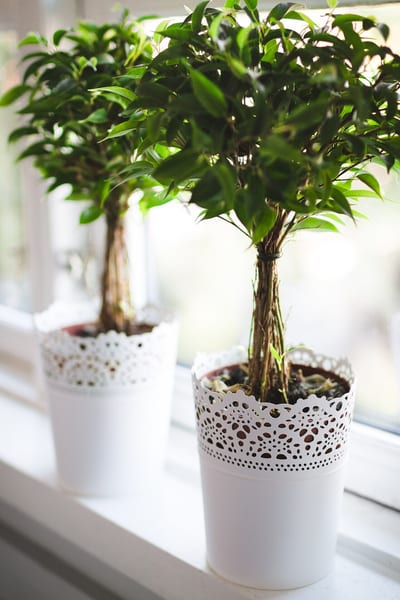 DependsAcclimatising plants to lightAlso: Light acclimation, Hardening offLeaves are built for the light they grew in. Move a plant suddenly into much stronger light and its leaves can scorch; move it suddenly into much less light and it sheds leaves. Change light levels gradually over days to weeks.
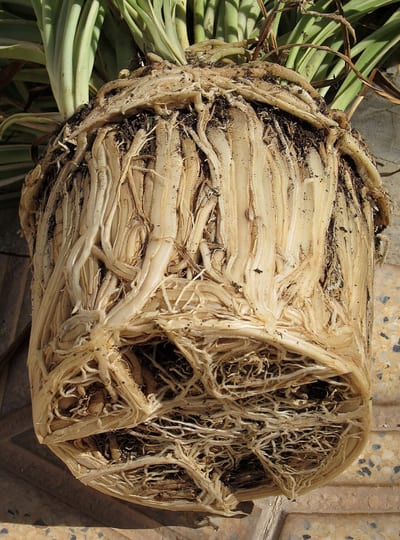 DependsChoosing the right pot sizeAlso: Overpotting, Potting upA bigger pot is not a kinder pot. When there is far more potting mix than roots, the unused mix stays wet for a long time, roots sit in airless, soggy media and root rot becomes much more likely. Step up only about one size, roughly 2.5–5 cm (1–2 in) wider than the old pot.
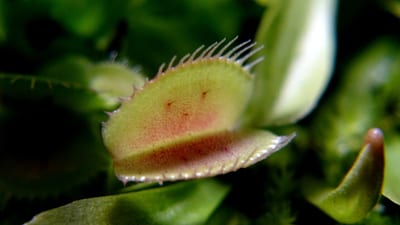 DependsDormancy and rest periodsAlso: Winter rest, Summer dormancyDormancy is a period of arrested growth that lets plants survive cold or dry seasons. Many houseplants simply slow down in low light rather than going fully dormant; some bulbs, tubers and temperate plants die back completely. During rest, water less, stop feeding and do not repot.
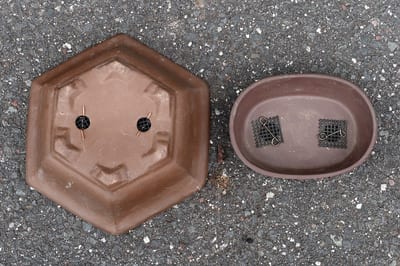 DependsDrainage in containersAlso: Drainage holes, Perched water tableContainer plants need a pot with drainage holes and a free-draining mix so excess water can leave and air can reach the roots. A layer of gravel or crocks in the bottom does not improve drainage; it raises the saturated zone closer to the roots.
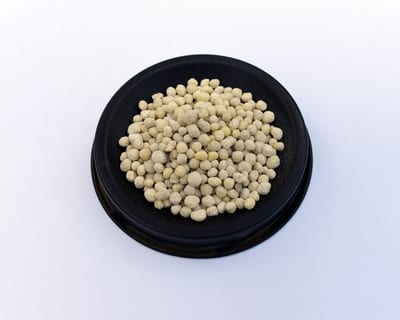 DependsFertilising basicsAlso: Feeding houseplants, N-P-KFertiliser supplies mineral nutrients; it is not food in itself, since plants make their own sugars by photosynthesis. Houseplants need modest feeding only while actively growing, and too much fertiliser builds up salts that burn roots and leaf tips.
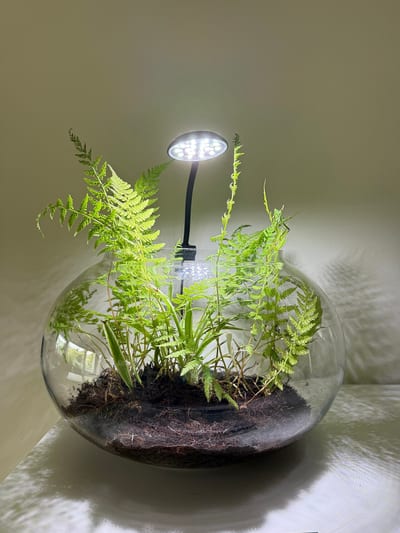 DependsHumidityAlso: Relative humidity, Raising humidity for houseplantsMany tropical houseplants come from humid places and suffer in dry indoor air, especially in heated or air-conditioned rooms. Humidifiers, grouping plants, pebble trays and enclosures help; misting raises humidity only for minutes.
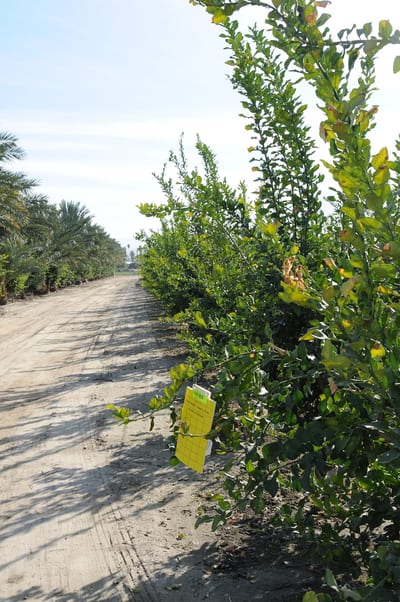 DependsIntegrated pest management (IPM)Also: IPM, The IPM ladderIPM is a long-term approach to pests that starts with prevention and correct identification, monitors plants, decides whether action is actually needed, and then uses the least harmful effective controls first: cultural, mechanical and biological, with pesticides only when needed and chosen to minimise risk.
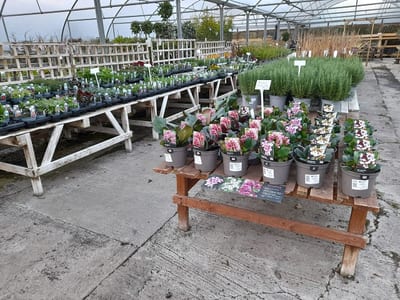 DependsNew-purchase shockAlso: Acclimatisation leaf drop, Relocation stressA new plant often drops or yellows some leaves in its first weeks at home. It was grown in a bright, humid nursery or greenhouse and suddenly has less light, drier air and a different watering routine, so it sheds leaves it can no longer support and grows new ones suited to its new spot. Usually it recovers within a few weeks if conditions are reasonable.
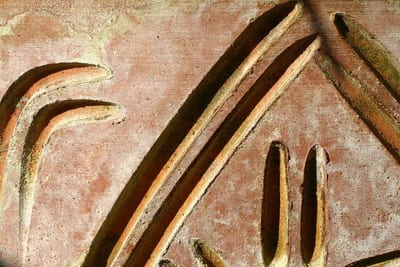 DependsPot materialsAlso: Terracotta vs plastic, Clay potsWhat a pot is made of changes how fast the mix dries. Unglazed terracotta is porous and dries fastest; plastic and glazed ceramic are non-porous and hold moisture longer. Match the pot to the plant and to how often you like to water.
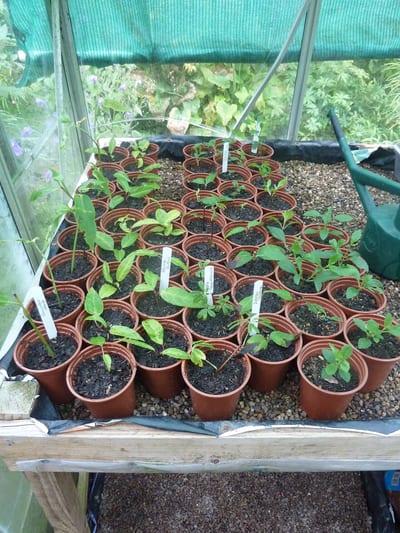 DependsPropagation basicsAlso: Cuttings, DivisionMost houseplants can be multiplied from pieces of themselves: stem or leaf cuttings, division, layering, air layering or offsets, as well as seed. Propagate while the parent plant is actively growing and keep cuttings warm, humid and out of direct sun.
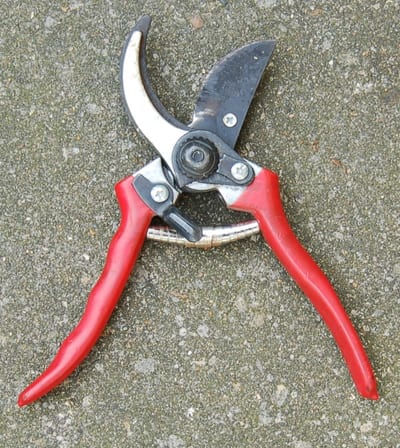 DependsPruning basicsAlso: Pinching, GroomingPruning shapes a plant, removes dead or damaged growth and encourages branching. Pinch soft tips to make a plant bushier, cut just above a node or bud, and remove no more than about a third at once.
- DependsQuarantining new plantsAlso: Isolating new plants, Plant quarantineMany houseplant pest problems arrive on a newly bought plant. Inspect every new plant carefully and keep it away from your collection for a few weeks, checking it regularly, before letting it join the others.
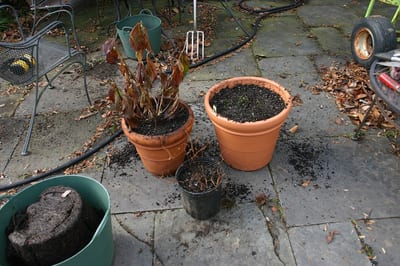 DependsRepottingAlso: Potting on, Potting upRepotting gives a container plant fresh mix and, when needed, a little more room. Do it when roots have filled the pot, ideally as the plant starts active growth, and move up only one pot size. Large plants you want to keep at their current size can be root-pruned and returned to the same pot.
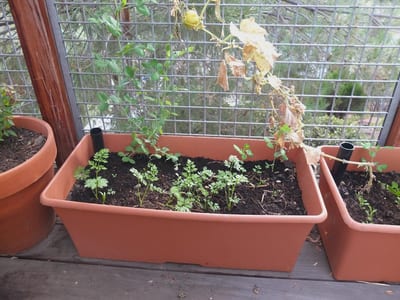 DependsSelf-watering potsAlso: Sub-irrigated planters, Wicking potsSelf-watering pots hold a reservoir of water below the mix and let the mix draw water up by capillary action or a wick. They conserve water and let you leave plants for a few days, but soluble salts cannot be flushed down and out, so they build up over time.
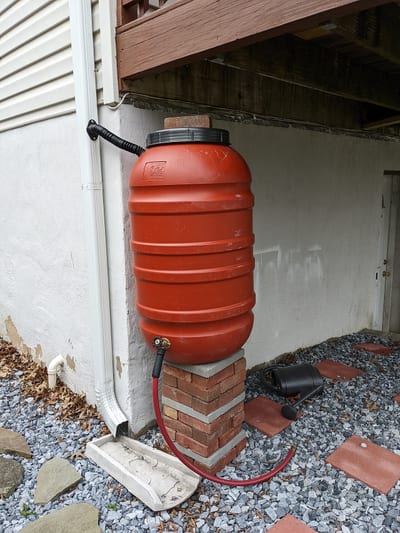 DependsWater qualityAlso: Tap water for plants, RainwaterMost plants cope with ordinary tap water, but some are sensitive. Softened water adds sodium, hard water can raise pH, fluoride causes tip burn on sensitive plants, and carnivorous plants need very low-mineral water. Rainwater, distilled or reverse-osmosis water avoid most of these problems.
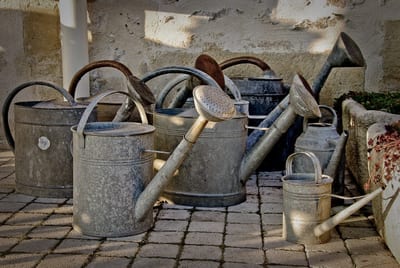 DependsWatering techniqueAlso: How to water, Top wateringWater when the plant needs it, not by the calendar, and when you water, water thoroughly until it drains, then empty the saucer. Overwatering is about watering too often, not about the amount in one go.