Reference
Beneficial & harmless insects
Predators, pollinators and the harmless visitors worth leaving alone.
28 articles
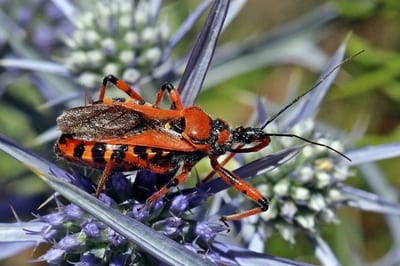 BeneficialAssassin bugsAlso: Reduviidae, Wheel bugAssassin bugs are long-legged predatory bugs that stab insects with a curved beak, inject paralysing saliva and suck them dry. They take caterpillars, beetle larvae, aphids and other bugs, so they are generally good to have. They also defend themselves with a very painful stab, so look but do not handle.
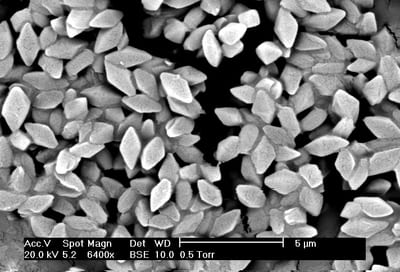 BeneficialBacillus thuringiensis (Bt)Also: Bt, Bti (Bt israelensis)Bacillus thuringiensis is a soil bacterium sold as a biological insecticide. Each strain makes crystal proteins that are toxic only to certain insect larvae once eaten: kurstaki and aizawai for caterpillars, israelensis for fungus gnat and mosquito larvae. It has very low toxicity to people, pets, birds and fish.
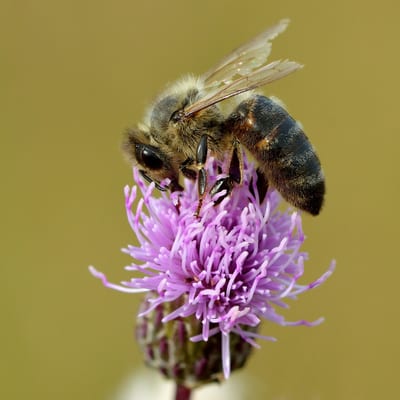 BeneficialBeesAlso: Honeybees, BumblebeesBees are the most important pollinators of flowering plants, feeding their young on pollen and nectar. More than 20,000 species exist, and over 90 percent are solitary rather than living in hives. In Southeast Asia, small stingless bees (kelulut, Tetragonula) are common flower visitors and are kept for honey.
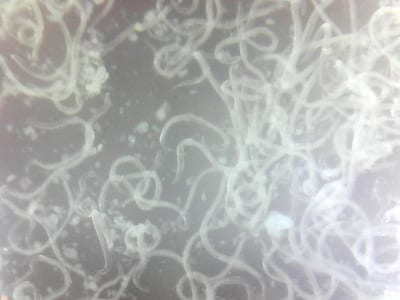 BeneficialBeneficial nematodesAlso: Entomopathogenic nematodes, Insect-parasitic nematodesBeneficial nematodes are microscopic roundworms that hunt soil-dwelling insects, enter them and release bacteria that kill the host. Sold as live products and watered in, they are used against fungus gnat larvae, vine weevil grubs, cutworms and other soil pests. They do not harm plants, people or animals.
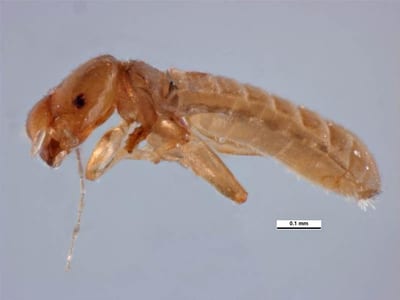 HarmlessBookliceAlso: Psocids, PsocopteraBooklice are tiny, pale, wingless insects that feed on moulds and starchy materials in humid rooms. They are sometimes found around damp potted plants on windowsills but do not feed on plants; they are a sign of high humidity and mould.
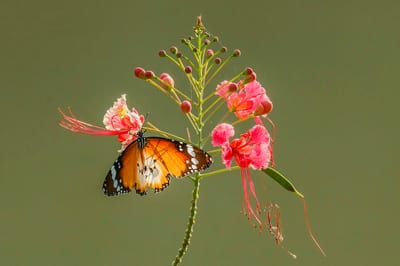 DependsButterflies as pollinatorsAlso: Butterflies, Lepidoptera (pollinators)Adult butterflies feed on nectar and carry pollen between flowers, often over longer distances than bees, though they carry less of it. Their caterpillars, however, eat leaves, and a few species are garden pests. Whether they are welcome depends on which plants their caterpillars feed on.
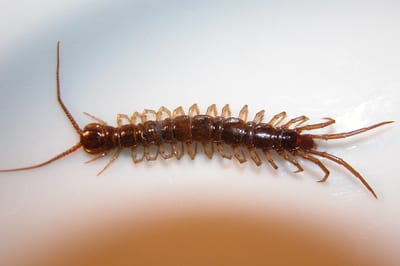 BeneficialCentipedesAlso: Chilopoda, Brown centipede (Lithobius forficatus)Centipedes are fast, flattened predators of the soil surface and leaf litter. They eat insects, spiders and other small invertebrates and do not feed on plants, so they are welcome in beds and pots.
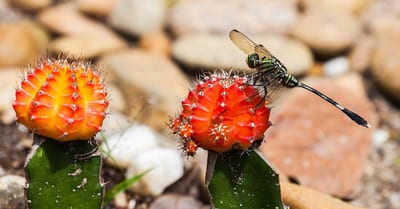 BeneficialDragonflies and damselfliesAlso: Odonata, AnisopteraDragonflies are fast, aerial hunters that catch midges, mosquitoes and other flying insects, and their underwater nymphs eat mosquito larvae. They cannot sting and do not bite people in any meaningful way. They only breed where there is still or slow water, so a pond or wetland is what brings them to a garden.
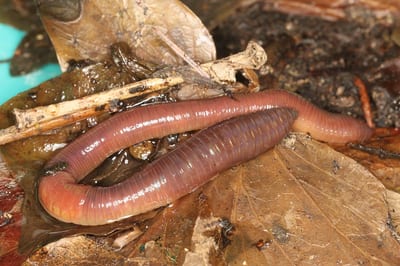 DependsEarthwormsAlso: Red wiggler (Eisenia fetida), Nightcrawler (Lumbricus terrestris)Earthworms are among the most valuable animals in garden soil: their burrows aerate and drain it, and their casts enrich it. In a pot the picture changes. There is little for them to eat and little room, so a worm that has crept in through a drainage hole is better moved to the garden.
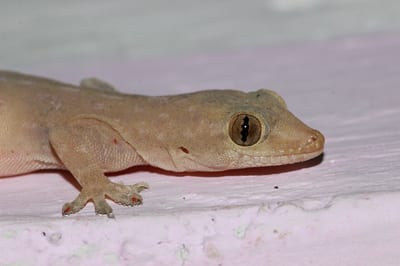 BeneficialGeckos and lizardsAlso: Common house gecko (Hemidactylus frenatus), CicakGeckos and other small lizards eat large numbers of insects and spiders around homes, balconies and gardens. The common house gecko, native to South and Southeast Asia, hunts moths, flies, cockroaches and termites near lights at night and is not harmful to people.
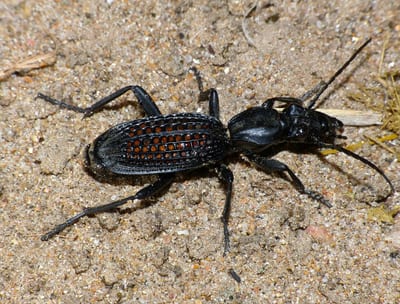 BeneficialGround beetlesAlso: Carabid beetles, CarabidaeGround beetles are fast, shiny, mostly night-active beetles that hunt slugs, snails, caterpillars, cutworms and other soil-surface invertebrates. They hide under pots, stones and mulch by day, so gardeners usually meet them when lifting something. Their larvae are fierce predators in the soil and leaf litter.
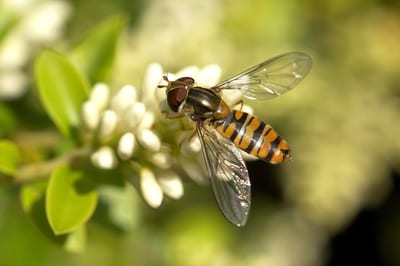 BeneficialHoverfliesAlso: Hover flies, Flower fliesHoverflies are harmless flies that mimic bees and wasps; the adults pollinate flowers while the larvae of many species eat aphids. The slug-like, legless larvae are frequently mistaken for pests on aphid-covered shoots. They rank as the second most important group of pollinators after wild bees.
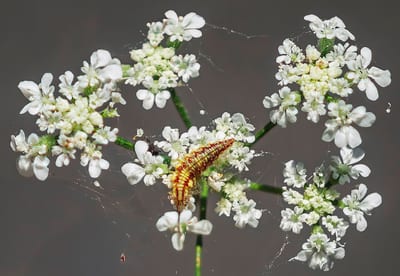 BeneficialLacewingsAlso: Green lacewings, Brown lacewingsLacewings are delicate, net-winged insects whose larvae, nicknamed aphid lions, hunt aphids, mealybugs, thrips, mites and other small soft-bodied pests. The larvae look nothing like the pale green adults and are easy to mistake for a pest. Lacewing eggs stand on fine silk stalks and are a sure sign the predators are nearby.
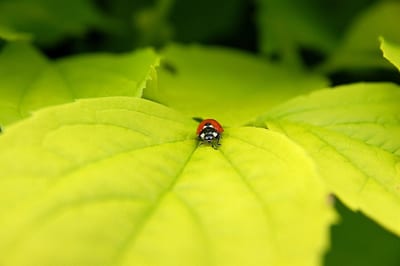 BeneficialLadybirds (lady beetles)Also: Ladybugs, Lady beetlesLadybirds are small, domed beetles whose adults and larvae eat aphids and other soft-bodied sap-feeders. Their spiky, dark larvae look nothing like the adults and are often squashed by mistake as pests. A few leaf-eating relatives (Epilachna) are pests in their own right, so it pays to look closely.
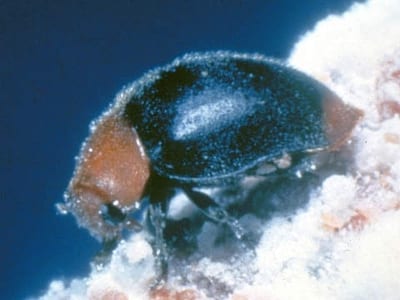 BeneficialMealybug destroyerAlso: Cryptolaemus montrouzieri, CryptsThe mealybug destroyer is a small Australian ladybird whose adults and larvae eat mealybugs, including their eggs. It is reared commercially and released in greenhouses and conservatories. Its fluffy white larvae look like large mealybugs, so growers sometimes kill them by mistake.
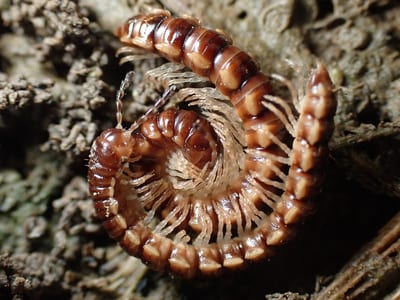 DependsMillipedesAlso: Diplopoda, Greenhouse millipede (Oxidus gracilis)Millipedes are slow, many-legged scavengers of decaying plant material and are part of a healthy soil. Their mouthparts are weak, so they rarely start damage, but in large numbers they may nibble seedlings, soft growth and fruit lying on the soil, and they enlarge wounds started by slugs.
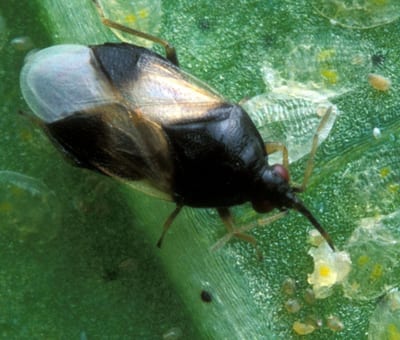 BeneficialMinute pirate bugsAlso: Pirate bugs, Flower bugsMinute pirate bugs are tiny black-and-white predatory bugs that hunt thrips, spider mites, aphids, whitefly nymphs and insect eggs. Orius species are released in commercial greenhouses against thrips. They also feed on pollen, which helps them stay put when prey is scarce.
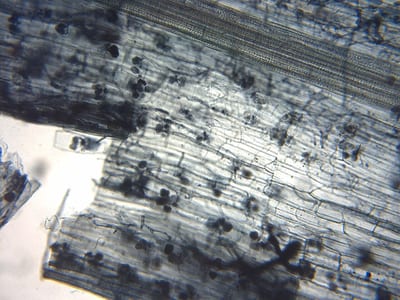 BeneficialMycorrhizal fungiAlso: Mycorrhizae, Arbuscular mycorrhizal fungi (AMF)Mycorrhizal fungi live in partnership with the roots of most plants, trading water and nutrients, especially phosphorus, for sugars. They are naturally present in most garden soils; inoculant products are most useful in sterile or soilless container mixes and heavily disturbed soils.
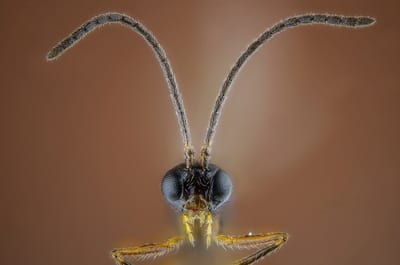 BeneficialParasitoid waspsAlso: Parasitic wasps, Aphid parasitoidsParasitoid wasps lay their eggs in or on other insects, and the wasp larva eats its host from the inside, killing it. Most are tiny and harmless to people, and they are among the most important natural controls of aphids, whiteflies, scale, mealybugs and caterpillars. You usually notice them by their handiwork: swollen, papery "mummies" left behind in pest colonies.
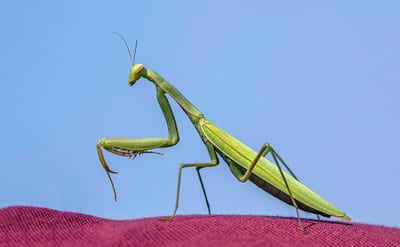 DependsPraying mantisesAlso: Mantids, MantisesMantises are large ambush predators with spiked, folded front legs that catch any insect they can hold. They are fascinating to find but give little real pest control, because they eat bees, butterflies and hoverflies as readily as pests. Status depends on what you want: harmless to plants and people, but not a pest solution.
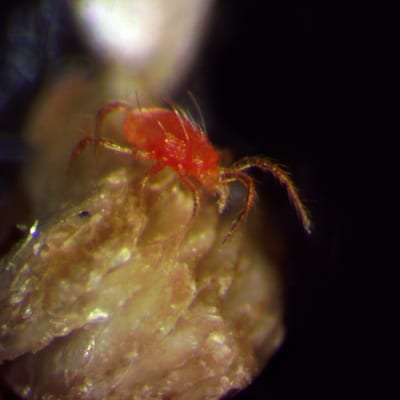 BeneficialPredatory mitesAlso: Phytoseiid mites, Phytoseiulus persimilisPredatory mites are tiny, fast-moving mites that hunt spider mites, other plant-feeding mites and thrips. They are one of the most widely used biological controls in greenhouses and for houseplants. Because they look like the pests they eat, they are easy to mistake for an infestation.
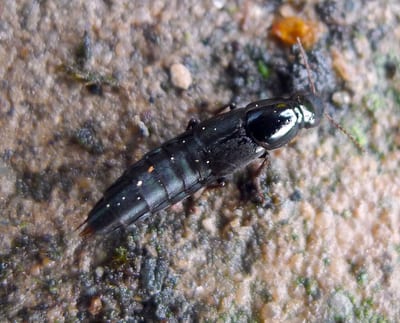 BeneficialRove beetlesAlso: Staphylinidae, Dalotia (Atheta) coriariaRove beetles are slim beetles with short wing covers that leave most of the abdomen bare; nearly all are predators or scavengers. One small species, Dalotia (Atheta) coriaria, lives in potting media and is sold to control fungus gnats and shore flies. A few tropical Paederus species carry a toxin that blisters skin if the beetle is crushed.
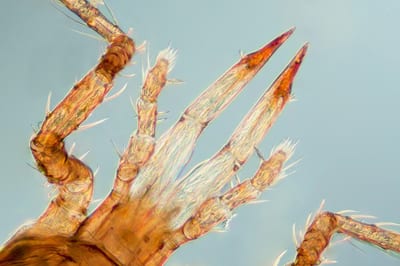 BeneficialSoil predatory mitesAlso: Stratiolaelaps scimitus, Hypoaspis milesSeveral tiny mites that live in the top layer of the mix are predators of fungus gnat larvae, thrips pupae and other soil pests. Stratiolaelaps scimitus (sold under its old name Hypoaspis miles) is widely produced for greenhouses and houseplants and works best as a preventive or early release.
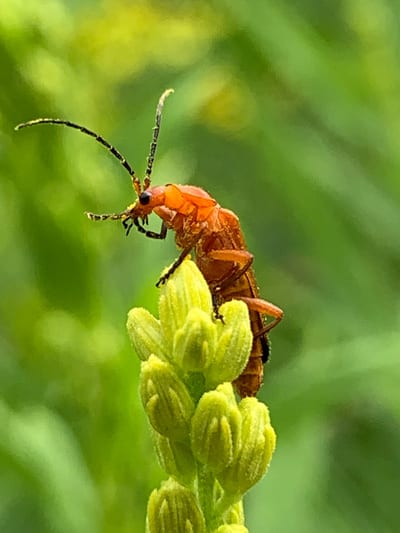 BeneficialSoldier beetlesAlso: Leatherwings, CantharidaeSoldier beetles are soft-bodied, often orange-and-black beetles found on flowers, where many eat pollen and nectar and some also hunt aphids. Their velvety larvae live on the ground and prey on insect eggs, small insects and snails. They are harmless to plants and help keep soft-bodied pests in check.
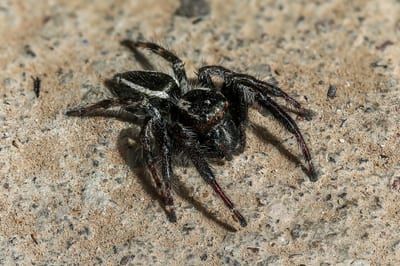 BeneficialSpidersAlso: Araneae, Jumping spidersAll spiders are predators, and they are often the most important natural control of garden pests. Most are generalists that eat almost any insect of a suitable size, including beetles, caterpillars, leafhoppers and aphids. Spider control is rarely needed.
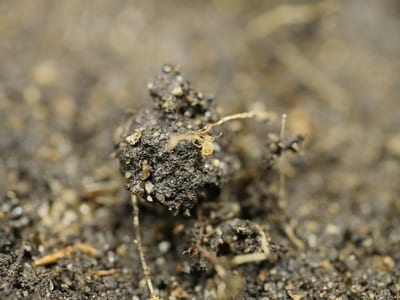 HarmlessSpringtailsAlso: CollembolaSpringtails are tiny, wingless soil animals that flick themselves into the air when disturbed. They feed on fungi, algae, bacteria and decaying organic matter, not on healthy roots or leaves, and in a potted plant they are harmless. A big population is simply a sign that the mix is staying very wet.
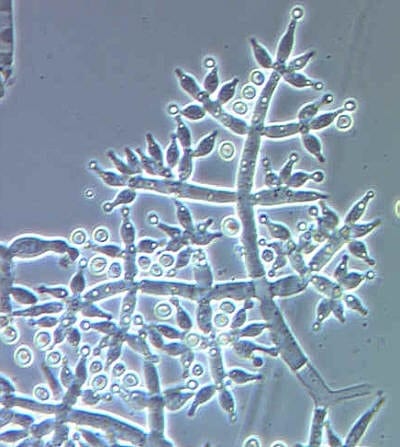 BeneficialTrichodermaAlso: Trichoderma harzianum, T-22Trichoderma is a group of fungi found in almost all soils. Selected strains, such as Trichoderma harzianum T-22, are sold as biological fungicides that colonise roots and attack root-rot fungi such as Pythium, Rhizoctonia and Fusarium. They protect before disease starts; they do not cure it.
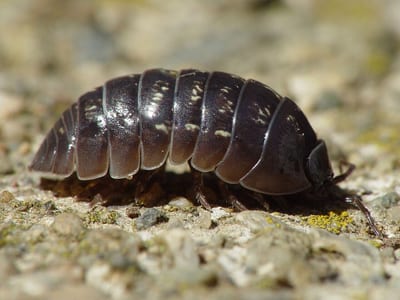 HarmlessWoodliceAlso: Sowbugs, PillbugsWoodlice are small land crustaceans that recycle rotting plant material. They are abundant in healthy gardens, compost heaps and greenhouses and cause little or no damage to healthy plants, though large numbers can nibble very soft tissue such as seedlings.